
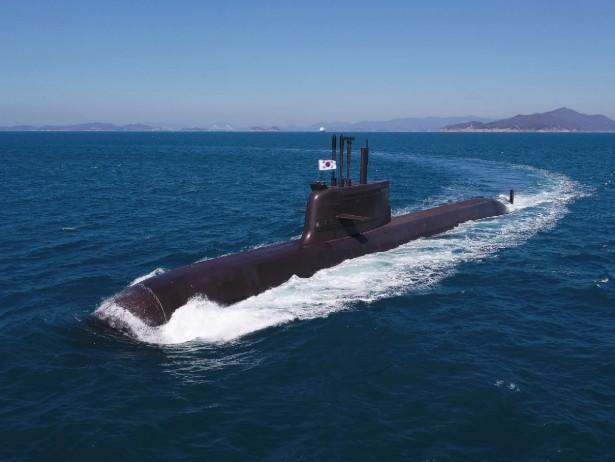
As Canada nears the selection of its next submarine contractor, concerns are emerging about the government's weakened negotiation power. The Canadian government is using a separate proposal instruction (PPI) instead of the formal request for proposal (RFP) process to expedite the selection of a contractor for a submarine program that could involve up to 12 vessels.
The political news outlet The Hill Times reported on June 30, citing former senior officials, that there are worries regarding the federal government's decision to utilize PPI instead of RFP for the multi-billion dollar submarine procurement project.
Since launching the Canadian Patrol Submarine Project (CPSP) in 2021, the government has aimed to replace the navy's Victoria-class submarines with new vessels. The Public Services and Procurement Canada (PSPC) requested information from potential bidders from September 2022 to February 2023, receiving responses from a total of 25 companies.
Typically, after such a process, the government would issue an RFP detailing specific requirements, pricing structures, delivery schedules, and industrial and technological benefits (ITB). However, after narrowing down the candidates to Hanwha Ocean and TKMS in August 2022, the government directly issued a PPI to both companies in November of that year. The two firms submitted their proposals in March 2023.
Former officials have pointed out that this approach could diminish the government's negotiation power. Clem Thoreau, former Director General of the ITB sector at the Department of Innovation, Science and Economic Development, stated, "The absence of an RFP means the government has less certainty regarding costs, final deliverables, and economic benefits. It risks becoming a situation akin to a sole-source contract."
Alan Williams, a former Assistant Deputy Minister of Materiel at the Department of National Defence, criticized skipping the RFP process as a "serious issue." He noted that the selected companies would know the government wants them, potentially leading to stronger positions in negotiations. He added, "The belief that bypassing competition speeds up the process is a misconception."
In contrast, the Defence Investment Agency (DIA) defended the PPI, asserting it serves a similar function to an RFP. The DIA told The Hill Times, "We presented the outputs and timelines for Canada, based on a comprehensive assessment of operational requirements related to submarine design, construction, delivery, maintenance, and infrastructure."
Unconventional Procurement Method
In an email dated June 30, the DIA explained that the process is designed to select a single preferred bidder for negotiations. They argue that choosing a single supplier ensures interoperability and reduces technical and logistical burdens, as well as long-term costs when operating multiple types of submarines simultaneously. If negotiations with the initially selected company fail, they can enter discussions with other candidates, which diminishes the likelihood of split orders.
The Hill Times inquired whether there were challenges due to the lack of established delivery timelines and specifications for both Hanwha and TKMS. Glen Copeland, CEO of Hanwha Canada, responded, "Such details are not currently included," explaining that the Canadian government has requested both companies to outline how they would deliver submarines, provide economic packages, and support crew training and operations. TKMS did not respond to the inquiry.
Jeffrey Collins, a defense procurement expert and head of the Canada Leadership Institute, described this procurement method as unconventional and unique, stating it aims to strengthen the industrial base, create jobs, and deepen relationships with middle powers through defense spending. He assessed that given the scale and complexity of the project, it may have been difficult to encapsulate all objectives within RFP criteria. However, he emphasized, "It remains an unanswered question what safeguards are in place to ensure taxpayer money is spent properly and that the navy can secure the necessary capabilities within the established timeline."
In response, the DIA stated, "The bidders were also given a proposal revision period to adjust their submissions to meet Canadian requirements and priorities, including ensuring value for money for Canadian taxpayers. This process has allowed Canada to gain insights into the technical and practical requirements, as well as the contract terms that qualified bidders are prepared to offer in a competitive environment."
The Canadian government aims to finalize a contract by 2028 to prevent a capability gap, with the first submarine expected to be delivered by 2035 at the latest. The currently operational Victoria-class submarines are expected to remain in service until the mid to late 2030s. Hanwha Ocean has proposed to deliver the first submarine by 2032, with four additional vessels by 2035, completing the fleet by 2043. TKMS has indicated that if a contract is signed this year, they could deliver the first submarine well ahead of 2035.
Meanwhile, the Canadian government had initially planned to announce the next submarine contractor by the end of June, but the selection process has been delayed, and no announcement has been made yet. Canadian media outlets speculate that the contractor will be announced before the NATO summit in Turkey on July 7-8.
* This article has been translated by AI.
Copyright ⓒ Aju Press All rights reserved.