
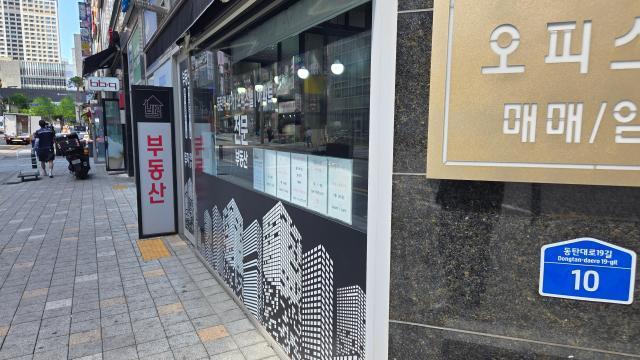
The South Korean government has designated Dongtan in Hwaseong, Giheung in Yongin, and Guri as speculative overheating zones and adjustment target areas. Gyeonggi Province will also classify these regions as land transaction permission zones, resulting in a de facto "triple regulation" that includes restrictions on loans, taxes, and subscriptions. Given the notable rise in housing prices in these areas, the regulations were deemed necessary. However, the government must also monitor where demand shifts following the announcement.
The Ministry of Land, Infrastructure and Transport explained that the price increases in Dongtan and Giheung were influenced by expectations of rising housing prices due to the semiconductor industry's growth and improvements in transportation infrastructure, including the opening of the GTX-A line. Guri's price surge was attributed to demand in areas near Seoul. The designations of the speculative overheating zones and adjustment target areas will take effect on July 1, while the land transaction permission zones will be enforced from July 5 until the end of 2027.
Being classified as a regulated area means that the limit for housing loans for purchasing homes will decrease, and loans for home purchases by current homeowners will be effectively blocked. Tax regulations and restrictions on subscriptions and resale will also be tightened. In land transaction permission zones, transactions not intended for actual residence will be restricted, directly suppressing speculative investment demand. This is a strong measure aimed at cooling short-term overheating.
The timing of these measures raises concerns. This action appears to be more of a reactive response than a proactive one. According to the Korea Real Estate Agency, as of the fourth week of June, the cumulative increase in apartment prices this year was 11.38% in Dongtan, 7.87% in Guri, and 6.21% in Giheung, significantly exceeding the overall increase in Gyeonggi Province of 2.67%. The government has introduced stringent regulations only after confirming the sharp price hikes. While a decrease in transaction volume may occur, reversing the previous price increases remains uncertain.
A significant concern is the potential for a balloon effect. Demand does not simply vanish due to regulations. As entry barriers rise, buyers may shift to adjacent areas with lower price burdens and fewer regulations. Analysis indicates that the number of first-time homebuyers in Byeongjeom, adjacent to Dongtan, surged nearly fivefold in May. This issue extends beyond Byeongjeom; similar movements could occur in nearby non-regulated areas with better price accessibility.
The government's response should not be limited to the designated areas. It must also consider first-time buyers, loan usage, foreign purchases, and price changes in adjacent non-regulated areas. Expanding regulated zones only after confirming a balloon effect will not keep pace with the market. A system for early response based on leading indicators is necessary.
The government has announced plans to strengthen monitoring and crackdown on illegal activities in the market. While these measures are essential, enforcement alone is insufficient. Clarity is needed on why certain areas were designated, the criteria for lifting restrictions, and how to assess unusual transactions in adjacent regions. Trust in the supply schedule is also crucial; if supply cannot be trusted despite strong regulations, buyer anxiety will resurface in other areas.
The "triple regulation" in Dongtan, Giheung, and Guri should mark the beginning of a comprehensive approach, not just a reactive measure. Late designations and subsequent regulations on shifting demand will not foster market confidence. The establishment of land transaction permission zones is a powerful tool, but such measures must be implemented with precision. The government must responsibly manage demand that moves outside regulated areas, not just focus on the contraction of transactions within them.
* This article has been translated by AI.
Copyright ⓒ Aju Press All rights reserved.