
As the domestic battery industry accelerates its focus on energy storage systems (ESS) and lithium iron phosphate (LFP) batteries, EcoProBM is making a strategic move to enhance its competitiveness in high-nickel ternary cathodes for electric vehicles.
According to industry sources, EcoProBM plans to raise 1.2 trillion won through a capital increase to secure shares in the BNSI nickel refinery in Indonesia, invest in mass production at its Hungarian subsidiary, and expand domestic cathode production facilities.
Recently, the battery market's attention has shifted towards ESS and LFP. With a slowdown in electric vehicle demand coinciding with the expansion of artificial intelligence (AI) data centers and the need for power grid reinforcement, the ESS market has emerged as a new growth driver. In this context, LFP batteries are favored due to their advantages in price, lifespan, and stability, which are more critical than driving range.
In contrast, EcoProBM's investment is primarily aimed at defending its competitiveness in ternary cathodes for electric vehicles. While the industry focuses on ESS and LFP, EcoPro aims to lower the cost structure of its core ternary cathodes to maintain an edge in the electric vehicle materials market.
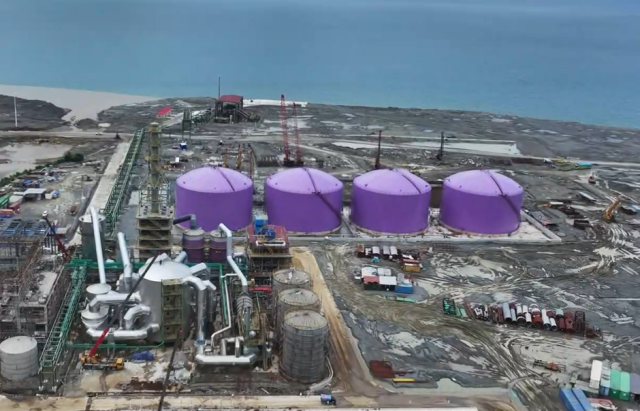
This investment in the Indonesian nickel refinery is a key part of EcoProBM's strategy. EcoPro and EcoProBM have secured a 39% stake in the BNSI refinery, which is under construction in Indonesia's IGIP industrial complex. The refinery is planned to produce 90,000 tons of nickel annually, and the EcoPro group expects to secure long-term purchase volumes of around 35,000 tons per year based on its stake. Once the BNSI investment is completed, the group's total nickel supply rights will increase to approximately 65,000 tons.
However, concerns have been raised about potential dilution of existing shareholder value due to the capital increase. EcoProBM's stock closed at 132,700 won, down about 6.9% from the previous day. Investor dissatisfaction regarding the capital increase is also growing. Additionally, there are criticisms of EcoPro's strategy to maintain a focus on high-nickel ternary cathodes amid the industry's shift towards ESS and LFP.
An EcoPro representative stated, "The investment in the nickel refinery is aimed at establishing a value chain that extends from minerals to cathodes, ensuring differentiated competitiveness in ternary cathodes. This will serve as a means to enhance corporate value and maximize shareholder interests and value."
Industry observers believe this investment could mark a turning point in EcoPro's long-term business direction. As ESS and LFP emerge as new focal points in the battery industry, the extent to which EcoPro can enhance its ternary competitiveness through nickel self-sufficiency will likely be crucial for its future order competitiveness.
* This article has been translated by AI.
Copyright ⓒ Aju Press All rights reserved.