
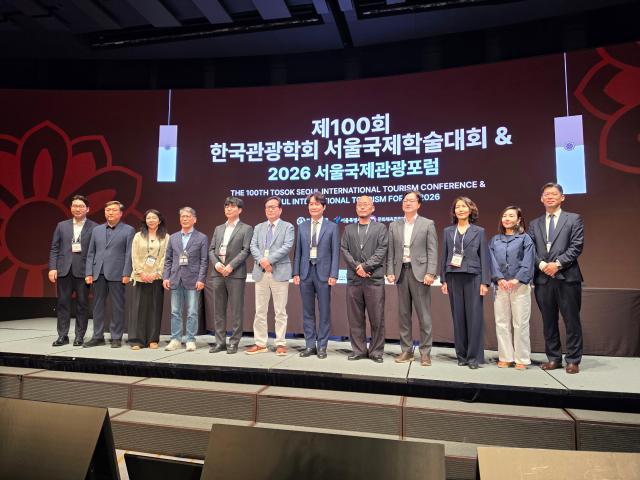
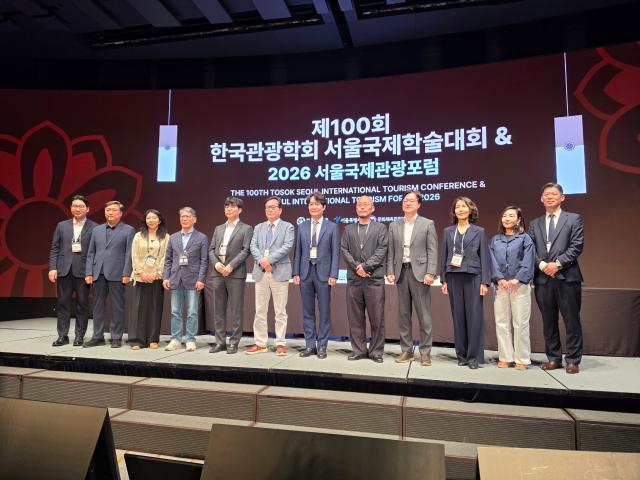
On July 1, the Korea Culture and Tourism Institute (KCTI) hosted a special session at the 100th Korean Tourism Association International Conference in Seoul, focusing on strategies to improve local tourism and maximize appeal. This event brought together government officials, academics, and private sector experts to discuss current cultural and tourism policy issues and explore future directions as part of the "Regional Tourism Network Forum."
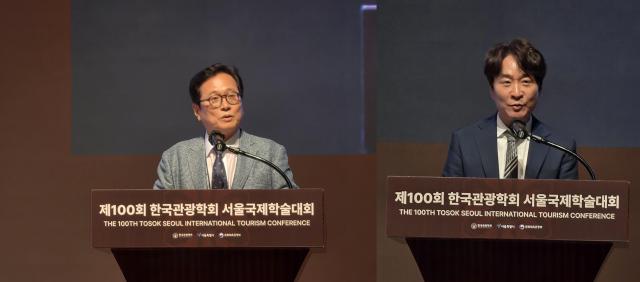
Seo Won-seok echoed this sentiment, highlighting the importance of establishing a visitor economy that attracts people and jobs to the region, while calling for differentiated brand competitiveness.
◆ Shift in Policy Focus to Visitor Economy in the Era of Population Decline
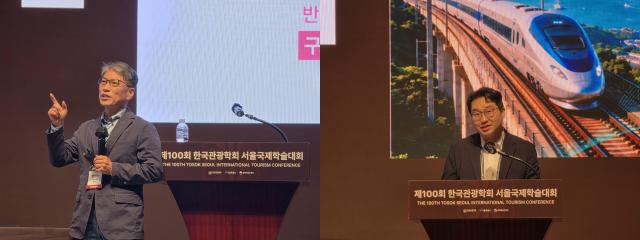
Keynote speaker Professor Kang Shin-gyeom from Chonnam National University stressed the need for a shift in perception regarding resources, industries, and policies to strengthen regional tourism competitiveness. He argued that the tourism industry should drive the overall local economy, advocating for policies that prioritize length of stay and spending over mere visitor numbers.
Deputy Researcher Son Shin-wook from KCTI, who presented on "Current Status and Development Plans for Regional Tourism Transportation," called for practical measures to improve accessibility. He identified weak transportation infrastructure as a barrier to local tourism and emphasized the urgent need to enhance regional airports and develop integrated transportation networks to facilitate access for foreign tourists.
◆ Competing with Differentiated Brands and Unique Content
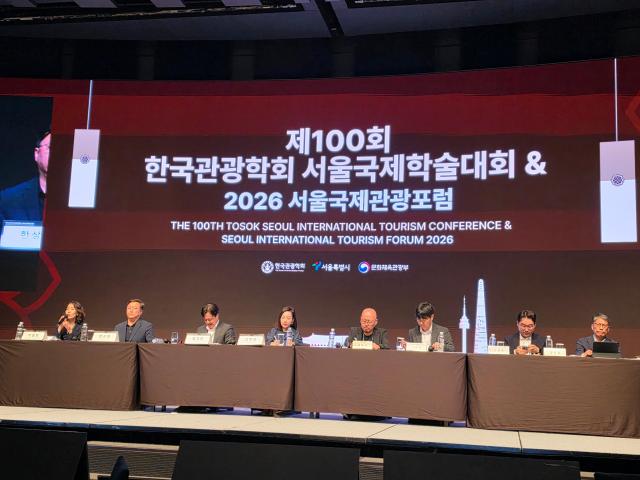
During a panel discussion moderated by Lee Won-hee, head of KCTI's Tourism Research Division, various proposals emerged from academia and the private sector to enhance the appeal of regional tourism.
Professor Choi Kyu-wan from Kyung Hee University suggested that regions should clearly define target customers to establish differentiated brand identities, advocating for a diversified tourism product portfolio and strengthened governance. Professor Han Sang-hyun from Dong-eui University called for realistic policies to disperse tourism demand concentrated in the metropolitan area and emphasized the need to establish a self-sustaining structure that contributes to the local economy rather than relying on short-term subsidy programs.
Private sector representatives also contributed their insights.
Kim Il-a, CEO of Local Collective, argued that regional branding should focus on accumulating local memories and experiences rather than merely constructing artificial facilities. He proposed strategies to connect residents' lives and unique content as assets. Lee Woo-seok, CEO of Meokgo Nolap, suggested redefining regions as hubs for sustained relationships, presenting specific tasks for improvement, including expanding mobility, promoting culinary tourism, fostering wellness tourism, and encouraging community-led cultural tourism.
Shin Min-seok, an official from the Ministry of Culture, Sports and Tourism, attended the discussion and stated that the ministry would closely examine policy support measures to enhance the quality and attractiveness of regional tourism services based on the feedback gathered during the session.
* This article has been translated by AI.
Copyright ⓒ Aju Press All rights reserved.