Exports rose 12.4 percent to $10.44 billion, while imports climbed 5.9 percent to $8.93 billion.
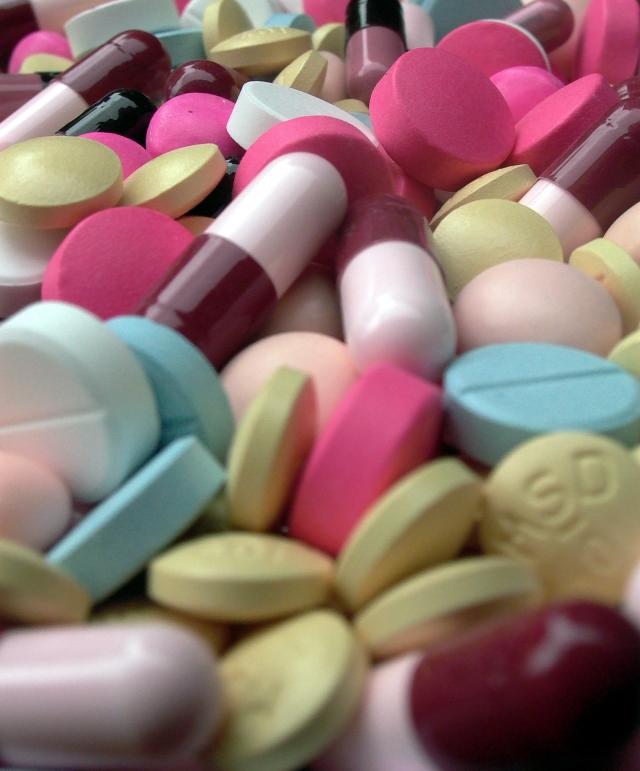
The trade surplus in medicines jumped 41.9 percent to $1.51 billion, also a record. Domestic drug production grew 3.0 percent to 33.85 trillion won ($21.77 billion), the highest since record-keeping began in 1998.
Finished and prescription drugs led the expansion, rising 3.7 percent and 5.3 percent, respectively. Celltrion became the first Korean drugmaker to cross 3 trillion won in output, with production surging 27.6 percent to 3.23 trillion won.
Biopharmaceuticals underpinned much of the export growth. Production rose 11.2 percent to 7.02 trillion won and exports climbed 17.5 percent to $7.64 billion, driven by rising biosimilar market share and expanding contract development and manufacturing capacity.
The ministry attributed the gains to increased output of gene-recombinant drugs and toxin and antitoxin products, saying growing demand for biosimilars and for subcutaneous injection formulas that improve patient convenience appeared to have driven the increase.
Imports of obesity and type 2 diabetes treatments soared 531 percent to $550.84 million, with Novo Nordisk's Wegovy and Eli Lilly's Mounjaro products accounting for six of the ten best-selling imported medicines. Wegovy's prefilled pen led all imports at more than $200 million.
Quasi-drug production, including toothpaste and sanitary products, rose 3.5 percent to 1.66 trillion won as the market expanded 4.9 percent, though exports of such items fell 10.2 percent to $73.68 million.

Copyright ⓒ Aju Press All rights reserved.