South Korea Bans Self-Investigation in Workplace Harassment Cases
by Kim SeongSeoPosted : July 2, 2026, 12:04Updated : July 2, 2026, 12:04
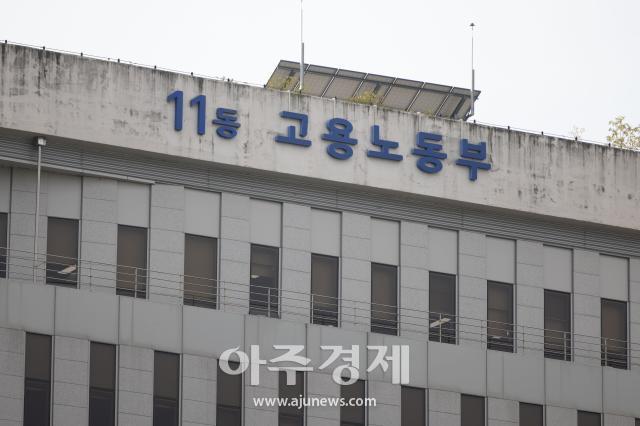
The Ministry of Employment and Labor in Sejong City, South Korea. 2023.10.13
The South Korean government is prohibiting self-investigation, known as 'self-surveys,' in workplace harassment cases. On July 2, the Ministry of Employment and Labor announced revisions to the 'Workplace Harassment Prevention and Response Manual,' which will exclude employers from the investigation process if they are reported as perpetrators.
Since the implementation of the workplace harassment prohibition system in July 2019, reports have steadily increased. The number of cases reported to labor authorities rose from 7,774 in 2021 to 8,961 in 2022, 11,038 in 2023, 13,601 in 2024, and 16,373 last year. Many incidents involve a combination of repeated verbal abuse, bullying, unreasonable work assignments, personal errands, and exclusion from work without justifiable reasons.
There have been ongoing concerns about significant differences in perception between labor and management regarding similar situations, highlighting the need for fair and consistent judgment criteria. Investigating workplace harassment requires not only verifying facts but also considering power dynamics within the organization, the necessity of the work, and changes in the victim's work environment. If the impartiality of the investigation is compromised, trust in the results diminishes.
In response, the Ministry has revised the manual to recommend excluding employers from the investigation process if they are reported as perpetrators. This measure aims to prevent employers from minimizing incidents or influencing judgments.
The procedures for recusal and avoidance of specific committee members have also been clarified. Employers are encouraged to adequately explain their investigation results and reasoning to the complainant, ensuring a process that both victims and employers can understand.
The Ministry has significantly enhanced the examples provided in the manual. It has added cases accumulated since the 2023 revision, categorized by investigation stages, judgment criteria, and types of behavior. Examples of recognized harassment include situations where an individual is excluded from team meetings, where a supervisor publicly belittles someone, or where necessary equipment is only provided to certain individuals without justification.
Conversely, cases deemed not to constitute harassment include instances where a job transfer increases commuting time by 30 minutes, a simple confirmation of attendance via messenger, or receiving the lowest score in performance evaluations.
Support for small businesses will also be strengthened. The Ministry plans to expand free prevention training, focusing on businesses with fewer than 50 employees, and continue workplace harassment prevention campaigns. It will also discuss support measures for dispute resolution in small businesses with relevant agencies.
The expertise of labor inspectors will be enhanced. The Ministry will activate the operation of specialized committees for harassment judgment at local labor offices to ensure consistent assessments of complex cases. Reports that are repetitive or inconsistent with the system's intent will be handled efficiently, while administrative resources will be concentrated on cases requiring victim assistance.
Kim Young-hoon, Minister of Employment and Labor, stated, "The revision of this manual focuses on conducting fair investigations into workplace harassment and making judgments easier on-site. We will continue to pursue necessary institutional improvements to create a workplace where everyone is respected and can work safely."
He added, "As the workload of labor inspectors regarding workplace harassment increases, we are actively considering the introduction of artificial intelligence (AI) for efficiency and the establishment of the right to suspend investigations into abusive behaviors such as verbal and physical abuse."