
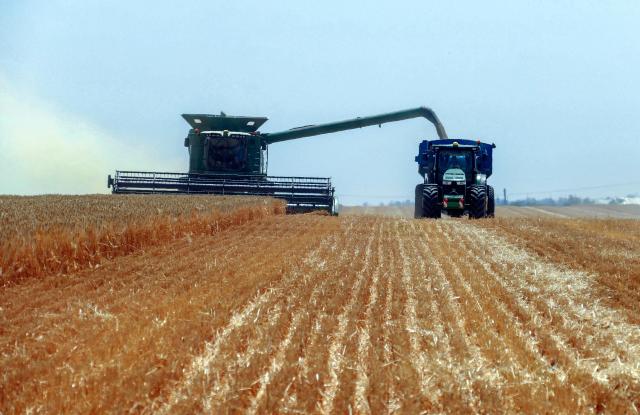
The Food and Agriculture Organization (FAO) reported that the global food price index has declined for the second consecutive month. Prices for grains, dairy products, and sugar have fallen, while prices for oils and meats have continued to rise.
The Ministry of Agriculture, Food and Rural Affairs announced on July 4 that the FAO's global food price index for June stood at 130.3 points (with 2014-2016 as the baseline at 100), a decrease of 0.3% from the previous month’s 130.8 points. The index had been on the rise from February to April before reversing course in May and now recording two months of decline.
By category, the grain price index fell to 110.2 points, down 3.5% from the previous month. This decline is attributed to the ongoing wheat harvest in the Black Sea region and improved corn supply forecasts from major South American exporters. However, rice prices rose by 3.2% due to increased demand in Asia, weather uncertainties, and rising production and transportation costs.
The dairy price index decreased by 1.5% to 117.4 points compared to the previous month. Improved supply conditions for skim milk powder and butter and cheese in the European Union and the United States contributed to this decline, along with weak import demand from China affecting whole milk powder prices. The sugar price index dropped 5.7% to 89.7 points, influenced by increased sugar production and exports from Brazil.
Conversely, the oil price index rose by 3.8% to 192.0 points. Palm oil prices increased due to expectations of reduced export volumes from Indonesia, while adverse weather conditions in Australia and Canada supported higher canola oil prices. The meat price index rose by 0.4% to 131.0 points, driven by higher prices for Brazilian poultry and strong lamb prices.
The FAO projects that global grain production for the 2026/27 season will decrease by 1.9% to 2.9832 billion tons compared to the previous year. However, consumption is expected to rise by 0.3%, and ending stocks are projected to increase by 0.9%.
Meanwhile, domestic consumer prices for agricultural and livestock products in June rose by 3.2% compared to the same month last year, matching the overall consumer price inflation rate.
A Ministry official stated, "Given the ongoing uncertainties in international raw material prices, we will closely monitor the supply and demand situation for various items and focus on managing the supply of agricultural and livestock products."
* This article has been translated by AI.
Copyright ⓒ Aju Press All rights reserved.