
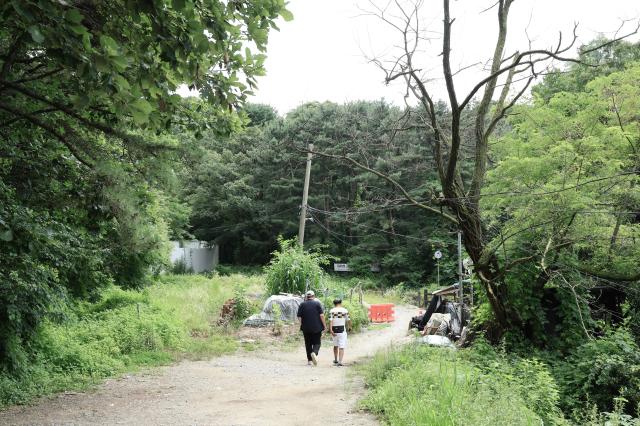
SEOUL, July 15 (AJP) - Before Cheon Young-hwan tells visitors about Guryong Village, he tells them about his sons.
Forty years ago, he walked down the hill from the cluster of shacks where his family had settled after being displaced by Seoul's redevelopment drive and knocked on the door of a stranger living across Yangjae-daero.
He was not asking for money.
Nor was he asking for food.
He was asking to borrow an address.
Without one, his two boys could not enroll in school.
"I begged them," the 74-year-old recalled quietly.
"There were many families like us."
The family agreed.
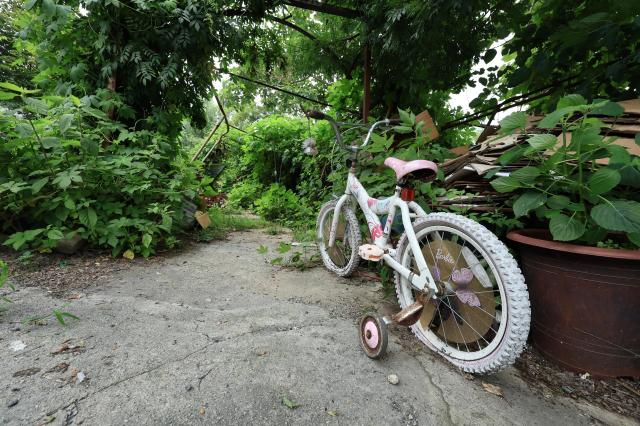
His sons eventually left Guryong Village. They found work, raised children and built lives elsewhere. His grandchildren have never lived in the settlement.
Cheon still does.
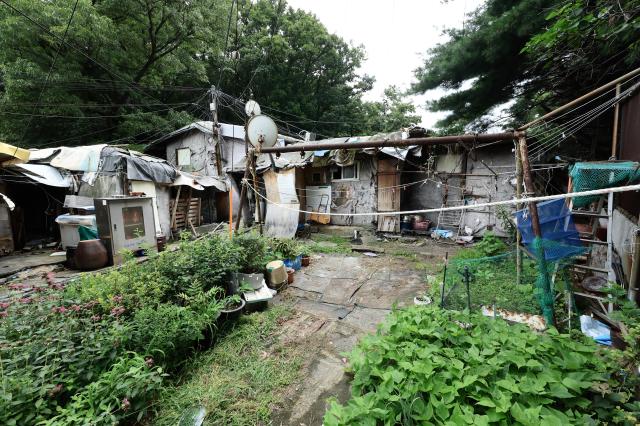
Every evening, he returns to the same small shack where his mother and grandmother once lived before him, separated from one of Asia's wealthiest neighborhoods by little more than six lanes of traffic.
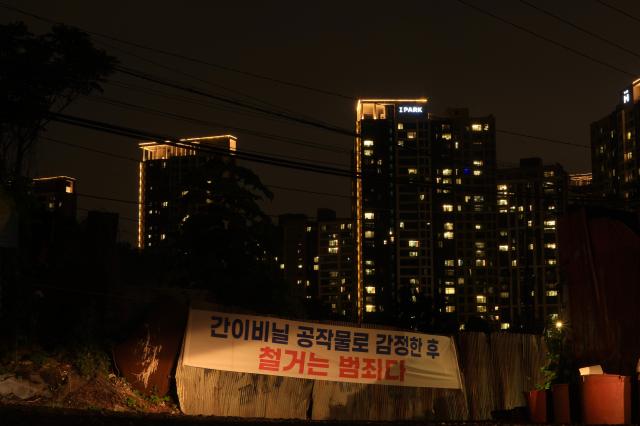
Few places reveal the contradictions of modern South Korea more vividly than this stretch of Yangjae-daero.
On one side stand luxury apartment towers where homes sell for more than $100,000 per 3.3 square meters, their owners watching wealth compound alongside an AI-driven semiconductor boom expected to deliver South Korea's strongest nominal economic growth in three decades.
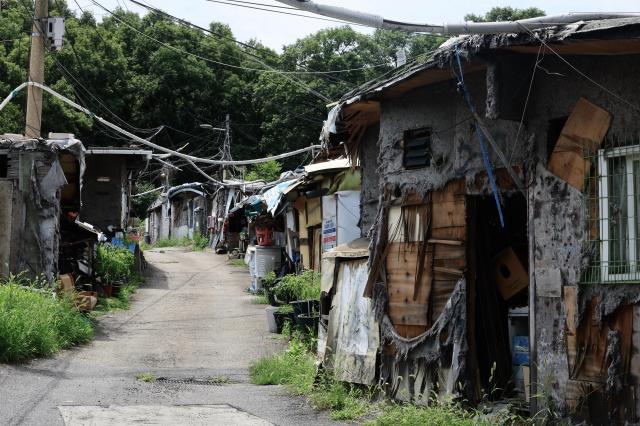
Across the road lies Guryong Village, Seoul's last remaining shantytown.
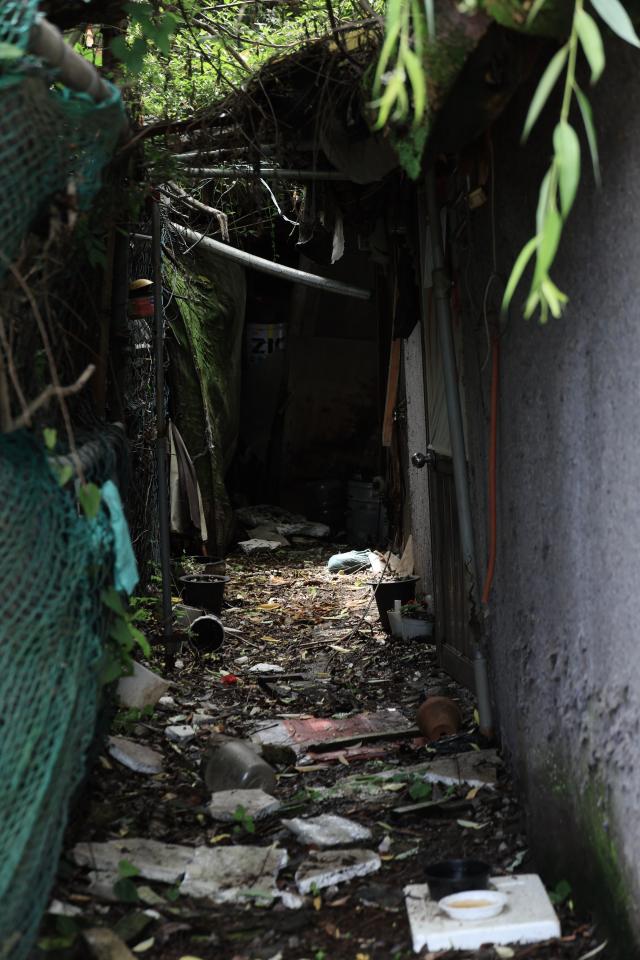
Yet after days spent walking its narrow alleys, sharing meals with residents and listening to stories accumulated over four decades, it became clear that the village's defining characteristic was not poverty.
It was education.
Almost every elderly resident spoke of the same regret.
Not that they had lived in cramped houses patched together from scrap wood and corrugated metal.
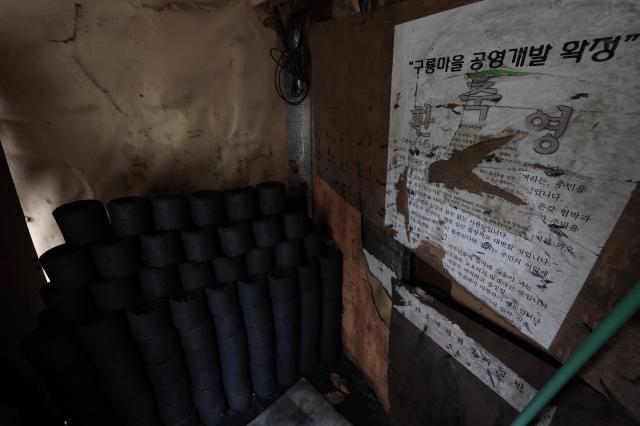
Not that coal briquettes still warmed their homes in winter or that rain leaked through aging roofs during the summer monsoon.
What haunted them instead was that they themselves had never been able to study enough.
That regret became the greatest gift they could offer their children.
Nearly every family eventually sent the next generation away from the village, believing education offered the only reliable route out.
They knew too well what opportunities they had missed, and refused to let their children inherit the same limitations.
For Cheon, borrowing another family's address was simply one expression of that determination.
For wealthier parents living across Yangjae-daero, the pursuit took a different form.
Some purchased apartments inside prestigious school districts.
Others paid fortunes for private academies or elite private schools.
Separated by only a few hundred meters, both sets of parents were trying to solve the same problem.
How do you give your child a better future than your own?
That realization surfaced repeatedly inside Guryong Village.
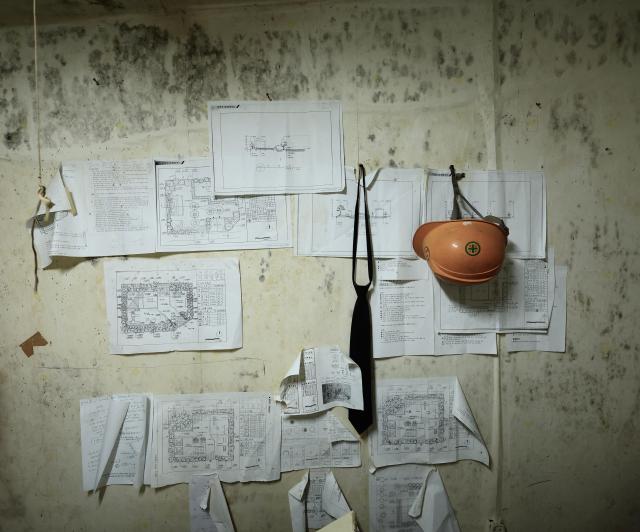
One resident who had recently moved into public housing after falling ill left behind a room blackened by mold.
What remained inside was not furniture or valuables.
It was books.
Books lined dusty shelves.
Books covered the floor.
Books were stacked on desks beside handwritten notes pinned across the walls.
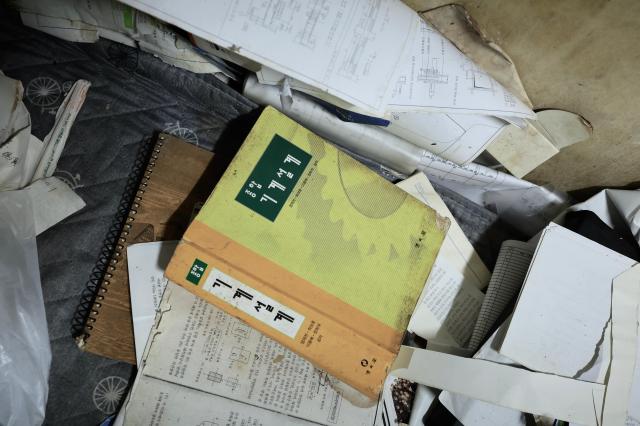
Cheon explained that his friend had spent years borrowing books from neighbors throughout the village, reading them one after another before passing them on again.
Learning, he said, was never a hobby.
It was how people here remained connected to a world that had largely moved on without them.
Even today, books continue to circulate from house to house, quietly exchanged among neighbors who still read almost every day.
The village may have lacked many things.
It never lacked curiosity.
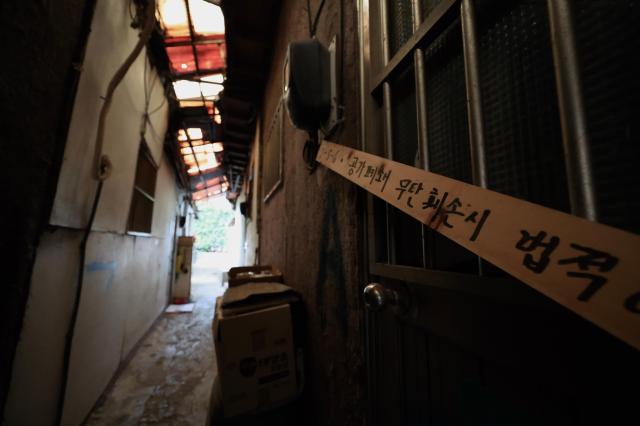
Only after lunch, as bowls were cleared away and conversation drifted toward old memories, did Cheon quietly suggest taking another walk.
A few minutes later he stopped beside an overgrown patch of grass.
We had passed it several times without noticing.
"There," he said.
At first there appeared to be nothing.
Then, beneath the weeds, the outline emerged.
A rusted steel swing frame.
Its seats had long since disappeared.
The laughter had disappeared long before that.
Children once gathered there after school, Cheon recalled.
Now the frame stood alone, slowly disappearing beneath waist-high grass that revealed just how many years had passed since anyone had used it.
The children had not vanished because the village had failed.
They had left because their parents insisted they should.
That rusted swing may be the clearest symbol of Guryong Village.
It is not a monument to poverty.
It is a monument to parents who quietly gave up the chance to leave themselves so that their children never again would have to borrow another family's address simply to go to school.
In that sense, Guryong Village may not be as different from affluent Gangnam as it first appears.
Across Yangjae-daero, wealthy parents spend extraordinary sums securing admission to elite schools, private academies and neighborhoods prized for their educational advantage.
Inside the village, parents sacrificed everything they had for exactly the same reason.
One side bought opportunity.
The other borrowed it.
The dream was identical.
Copyright ⓒ Aju Press All rights reserved.
