
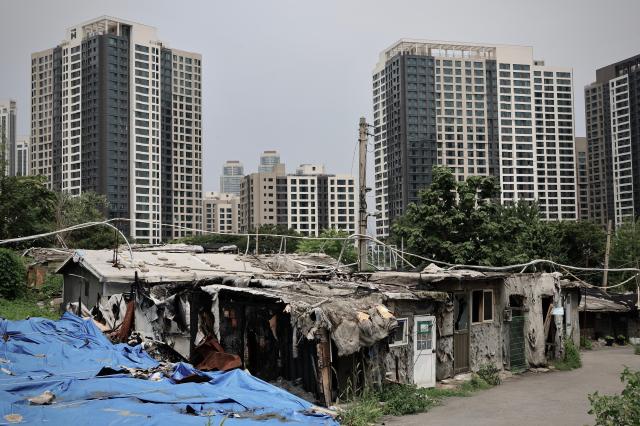
SEOUL, July 15 (AJP) - The journey takes barely two minutes.
Yangjae-daero, a six-lane boulevard cutting through southern Seoul, is little more than another busy artery carrying commuters toward Gangnam's gleaming office towers and luxury apartment complexes. Thousands cross it every day without giving the road a second thought.
Yet few roads in South Korea separate two different economic realities more starkly.
On one side stand apartment towers where homes now sell for more than 200 million won per 3.3 square meters, their values climbing alongside an artificial intelligence boom that has turned semiconductor companies into the country's most valuable businesses and is expected to propel South Korea's nominal economic growth to its strongest pace in three decades.
Cross the road, however, and another Seoul emerges.
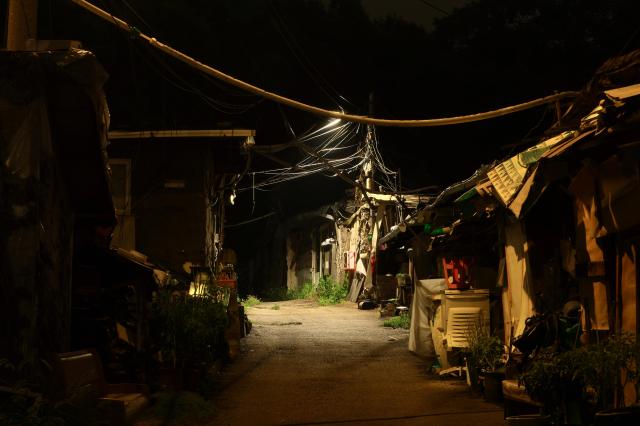
The pavement gives way to dirt paths almost immediately. Wooden shacks patched together with corrugated iron, plywood and plastic sheeting line narrow alleyways barely wide enough for one person to pass. Coal briquettes remain stacked beside homes waiting for another winter. Rainwater has stained roofs covered by tarpaulins and old blankets. Hand-sized spiders spin webs across footpaths while mosquitoes rise from knee-high weeds left untended through the humid summer.
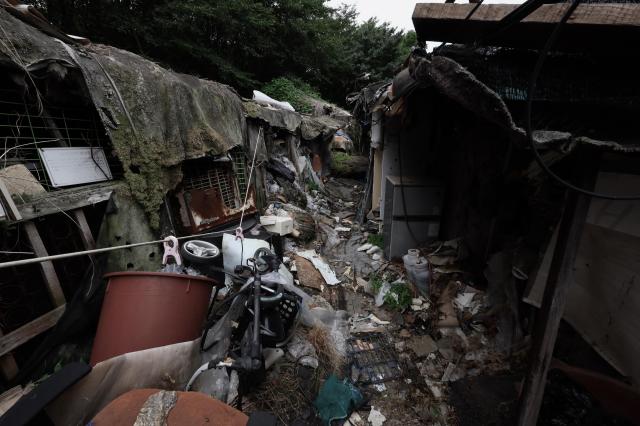
This is Guryong Village.
It is Seoul's last remaining shantytown, a settlement that was never intended to survive into the twenty-first century but now stands as perhaps the clearest physical reminder that South Korea's extraordinary economic ascent has never been experienced equally.
The contrast is all the more striking because it exists not hundreds of kilometers from the capital but within Gangnam itself, the district synonymous with wealth, private education and some of Asia's most expensive real estate.
From almost every point inside the village, residents can see the apartment towers that symbolize modern Seoul's prosperity. They are close enough to dominate the skyline, yet distant enough to feel like another country.
What appears at first to be a simple story about poverty gradually becomes something more complicated after spending several days walking the settlement.
The village does not resemble an abandoned place so much as one waiting to disappear.
The first thing newcomers notice is not the housing but the suspicion.
"Reporter?"
The question comes before any greeting.
When the answer is yes, conversations often end immediately.
"We've seen many reporters," one elderly resident says with a dismissive wave.
"Nothing changes."
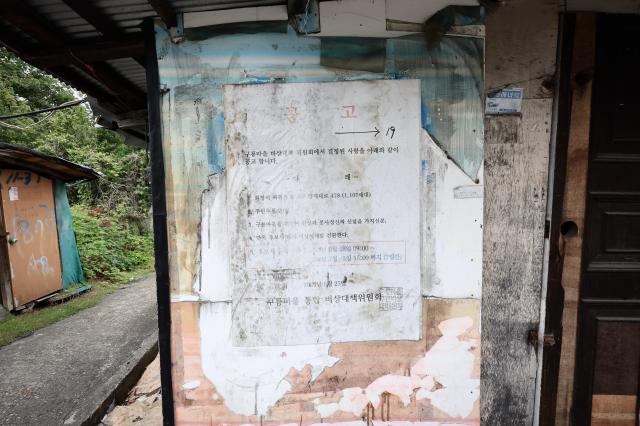
The skepticism is understandable.
Residents have watched journalists arrive after fires, politicians before elections and redevelopment officials carrying new master plans.
Television crews have repeatedly filmed what they describe as Seoul's last slum before leaving a few hours later.
The village remains exactly where it was.
Only after returning repeatedly do doors begin to open.
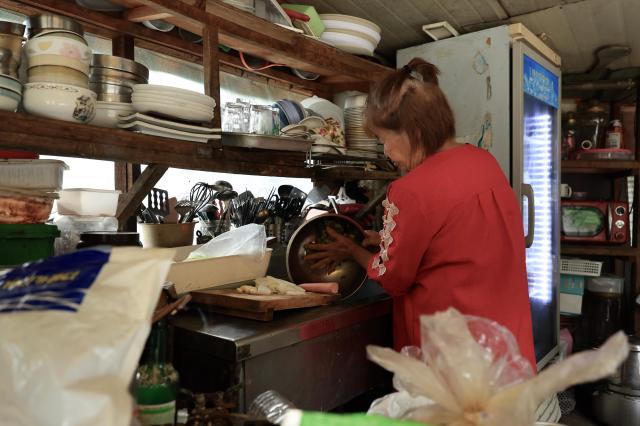
Residents who initially refused interviews begin offering greetings. Someone points toward another alley worth seeing. Others quietly explain which homes were destroyed in the latest fire, which residents have moved into public housing and which houses now stand permanently empty.
Walking through Guryong Village becomes less like touring a neighborhood than reading layers of Seoul's history.
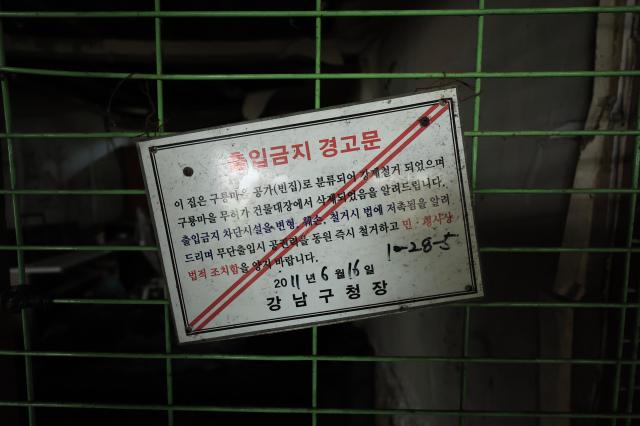
Children's bicycles lean against walls beneath weeds that have grown tall enough to swallow them.
A rusted swing stands almost invisible under wild grass, its empty frame marking the place where children once gathered before their families gradually left in search of better schools, stable jobs and ordinary apartments elsewhere.
Further uphill, the smell changes with every turn. Damp timber mixes with household refuse, stagnant summer water and the lingering scent of coal briquettes.
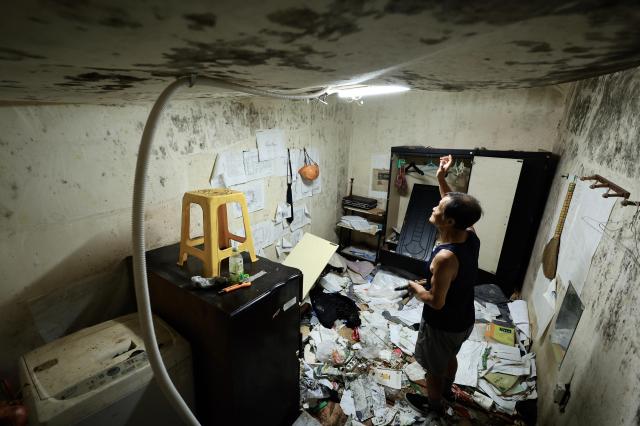
Homes assembled from recycled wood, corrugated iron and plastic sheets appear to lean against one another for support.
Electricity reaches most houses, but many still rely on improvised repairs accumulated over decades because redevelopment has remained perpetually just over the horizon.
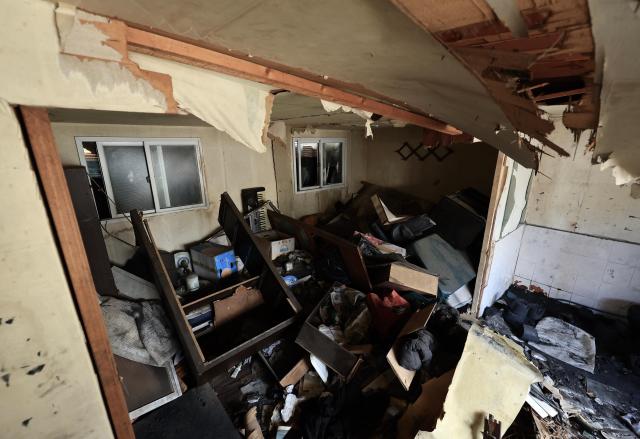
The January fire that swept through District 4 remains visible months later.
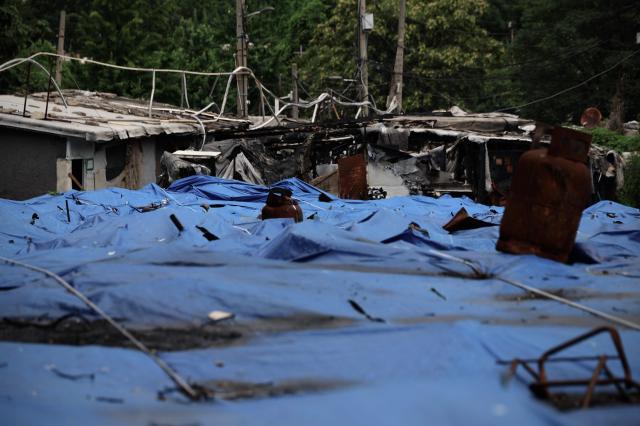
More than 100 pyeong of ground is still covered by blue tarpaulins, while one half-burned house stands open to the weather. Inside, scorched books, blackened appliances and even an old cassette tape remain exactly where the flames left them.
Residents speak about fires almost matter-of-factly.
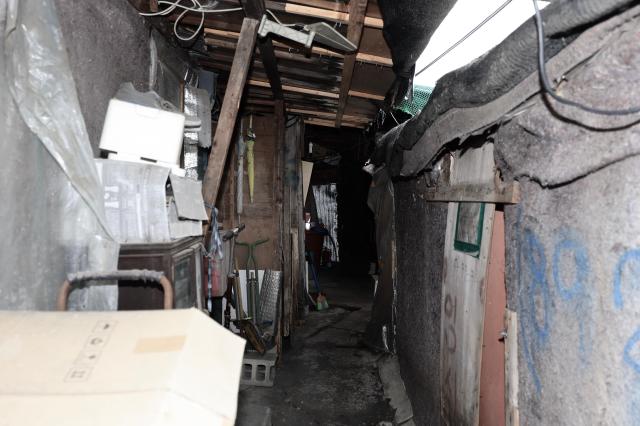
The houses are packed too closely together, the roads too narrow and the building materials too combustible for anyone to believe the next blaze can be entirely prevented.
Each disaster briefly returns the village to the evening news. When public attention fades, the burned houses remain.

Copyright ⓒ Aju Press All rights reserved.
