Sales rose 26.7 percent from a year earlier in the April-June period, accelerating from 13.5 percent growth in the first quarter, according to data released Wednesday by the Bank of Korea (BOK). The reading was the highest since the first quarter of 2015.
Externally audited companies are firms that meet statutory thresholds, including asset-size requirements, and are required under South Korean law to undergo an external audit. The BOK estimated the figures from a sample of 4,260 companies out of 26,509 eligible firms as of the end of 2025.
Manufacturers led the acceleration, with sales growth jumping to 39.6 percent from 21.1 percent in the previous quarter.
Sales in the machinery and electrical and electronics sector rose 88.5 percent from a year earlier, compared with 52.1 percent growth in the first quarter.
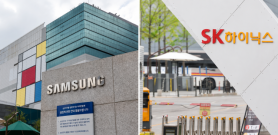
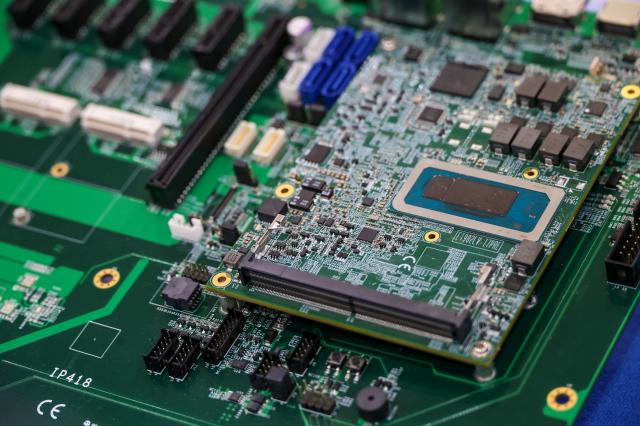
The increase was heavily concentrated in electronic, video and communications equipment, a category that includes semiconductors.
Sales in the sector surged 119.7 percent from a year earlier, up from 75.7 percent growth in the previous quarter. Excluding the sector, manufacturing sales growth would have been 14.0 percent instead of 39.6 percent, the BOK said.
Sales growth among non-manufacturers also rose 9.7 percent from 3.7 percent.
Transportation sales rose 13.6 percent, up from 8.1 percent, as the Middle East war pushed up tanker and bulk-shipping rates and increased demand for air cargo.
Wholesale and retail sales growth accelerated to 13.7 percent from 7.1 percent, helped by stronger business at semiconductor distributors and department stores.
Construction sales rose 0.3 percent from a year earlier, returning to growth for the first time in eight quarters as work on semiconductor plants increased.
Total assets increased 6.8 percent from the end of the previous quarter, compared with a 0.2 percent increase in the same period a year earlier.
Profitability improved even more sharply.
The operating profit-to-sales ratio rose to 16.9 percent from 5.1 percent a year earlier. The pretax profit-to-sales ratio climbed to 23.1 percent from 5.3 percent. Both were the highest readings since the first quarter of 2015.
Manufacturers' operating margin surged to 24.0 percent from 5.1 percent a year earlier.
The machinery and electrical and electronics sector posted an operating margin of 43.0 percent, up from 7.4 percent. The BOK said profits rose faster than sales because chipmakers have a high share of fixed costs, magnifying the impact of stronger revenue on earnings.
The petroleum and chemical sector also benefited from wider refining margins amid the Middle East war, lifting its operating margin to 9.5 percent from 2.5 percent.
Profitability outside manufacturing was weaker, with the operating margin for non-manufacturers edging down to 5.0 percent from 5.1 percent a year earlier.
The transportation sector's operating margin fell to 4.8 percent from 7.0 percent as higher oil prices and longer alternative routes raised costs despite stronger sales.
The improvement was also much stronger among large companies.
Sales growth at large firms accelerated to 30.5 percent from 16.0 percent in the first quarter. Growth at small and midsized companies rose to 10.2 percent from 2.4 percent.
Large companies' operating margin jumped to 19.1 percent from 5.1 percent a year earlier. The margin for small and midsized firms edged up to 5.3 percent from 5.0 percent.
Corporate balance sheets improved overall.
The debt-to-equity ratio fell to 84.5 percent from 87.0 percent in the first quarter. Borrowings and corporate bonds as a share of total assets declined to 22.8 percent from 23.9 percent.
Smaller firms moved in the opposite direction. Their debt-to-equity ratio rose to 112.1 percent from 103.0 percent. Borrowings and corporate bonds as a share of assets increased to 31.1 percent from 30.7 percent.
AJP Takeaways
- Bank of Korea data showed corporate sales growth reached its strongest pace since 2015 as the semiconductor boom lifted manufacturing revenue and profits.
- South Korean manufacturers accounted for much of the improvement, with gains heavily concentrated in electronic, video and communications equipment.
- Middle East disruptions boosted transportation sales, while higher oil prices and longer alternative routes weighed on the sector's profitability.

Copyright ⓒ Aju Press All rights reserved.