SEOUL, September 17 (AJP) - South Korea has abandoned its once-prized claim to being a drug-free country. Dramas, public campaigns and advertisements now warn teenagers away from drugs, reflecting how quickly illicit drug use has spread.
Society — and the system meant to respond to it — has struggled to keep up.
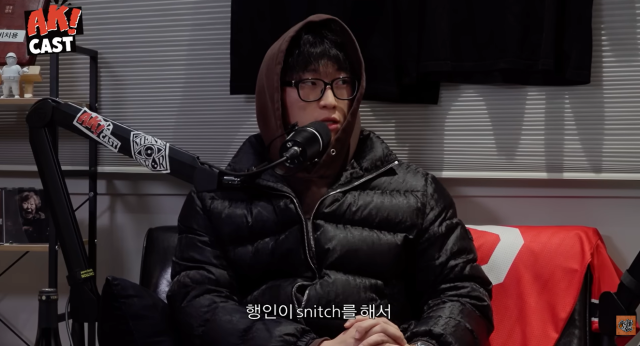
Rapper Kim Gam-jeon, 22, was back in the headlines after being arrested on suspicion of using liquid cannabis while still under a suspended sentence for an earlier marijuana conviction.
The Indigo Music artist, who joined the label in 2022 and took part this year in a public diss battle involving Swings and BIG Naughty, had previously been sentenced to eight months in prison before an appeals court suspended the term for two years. He has not been convicted in the new case.
Lee Seon-young, a 27-year-old office worker in Seoul's Mapo District, had a blunt answer when asked how authorities should respond to repeat drug use.
"Prison is probably the answer," Lee said. She was equally skeptical about using public money for rehabilitation.
"Most people don't use drugs," she said. "Why should taxpayers' money be used to treat drug offenders?"
Park Jung-soo, a 38-year-old office worker in Seoul's Gangnam District, drew a different line.
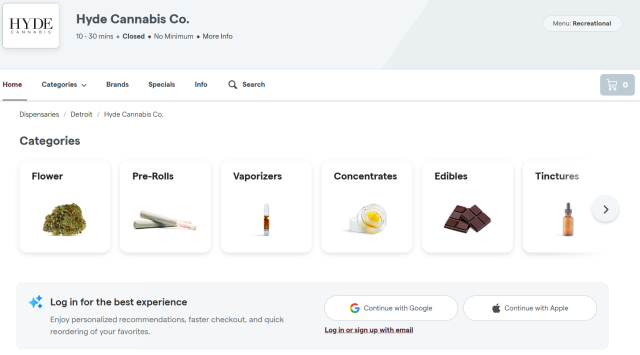
He said cannabis should not necessarily be treated in the same way as methamphetamine or cocaine, while supporting tougher punishment for repeat use of what he described as more dangerous drugs.
"If someone completes treatment and actually gets back to a level where they can live a normal life in society, I think they should be given another opportunity," Park said.
The split comes as governments across Asia test different combinations of punishment, supervision and treatment in an effort to reduce repeat drug use.
South Korean authorities apprehended 23,403 drug offenders in 2025, including 8,798 classified as users.
The country's drug-offender recidivism rate stood at 34.5 percent in 2024, according to prosecution data.
South Korea has been expanding the rehabilitation side of its response.
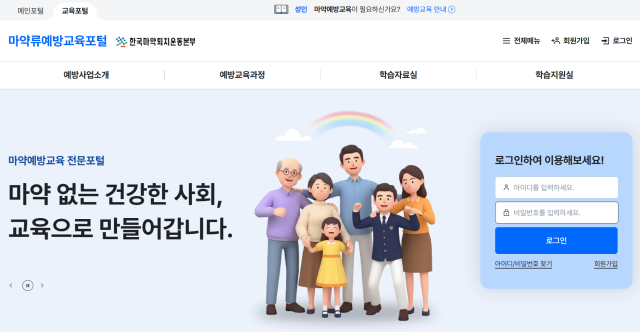
Its 2026 drug management plan includes measures to strengthen treatment and social rehabilitation, while prosecutors can already link some offenders to education, probation or treatment programs rather than relying on criminal punishment alone.
Government data show the share of drug-use offenders participating in medical treatment rose from 5 percent to 18.7 percent, while participation in social rehabilitation programs increased from 9.6 percent to 24 percent.
Combined participation reached 42.7 percent.
The government is also testing whether those programs make a measurable difference.
The National Center for Mental Health and the Seoul Probation Office began a treatment and rehabilitation program in July 2026 for people ordered by courts to attend drug education.
The program runs through November in five groups of about 15 to 20 participants. They are assessed before and after the course and again three months later, while those seeking further help can be referred to an addiction clinic.
Nam Yun-young, head of the National Center for Mental Health, said when the program was announced that drug addiction was difficult to address through punishment alone and required continued treatment and recovery support.
A separate Korean Institute of Criminology and Justice study examining treatment and rehabilitation across prosecution, probation, imprisonment and release identified gaps between different stages of the criminal justice process.
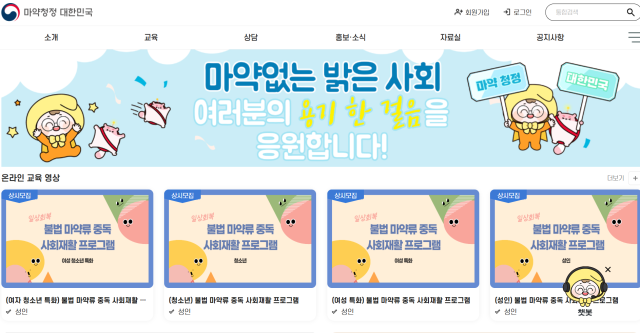
Japan, meanwhile, has moved in a tougher direction on cannabis law.
Since Dec. 12, 2024, illegal cannabis use itself has been punishable. Previously, possession and distribution were prohibited, but use was not separately criminalized.
The change came as cannabis cases were rising among younger Japanese.
A record 7,120 people were apprehended for cannabis offenses in 2025, up 12.3 percent from the previous year. More than 70 percent were under 30, and cannabis cases exceeded methamphetamine cases for a third consecutive year.
Japan nevertheless continues to operate drug-dependence programs within its correctional system.
In fiscal 2024, 6,826 inmates began drug-dependence withdrawal guidance at 73 correctional facilities. Programs differ according to offenders' needs and include components aimed at preventing renewed drug use after release.
Repeat involvement varies sharply by substance.
Among adults apprehended for cannabis offenses in 2024, 29.5 percent had previously been apprehended for the same type of offense, according to Japan's latest White Paper on Crime. For methamphetamine offenses, the share was 67.6 percent.
Those figures are not directly comparable with South Korea's recidivism rate because Japan measures the share of adults previously apprehended for the same offense rather than following the same population over a fixed period.
Singapore has kept some of Asia's toughest drug laws while expanding community-based supervision for selected users.
Since May 16, first-time users who meet eligibility requirements and voluntarily surrender at a Central Narcotics Bureau office or police station can be placed under community supervision and compulsory case management for up to five years instead of being sent directly to a Drug Rehabilitation Centre.
Counseling can include goal-setting and family involvement alongside regular drug testing. Those who return to drug use can still be placed in institutional rehabilitation.
Singapore has also changed how some former users are monitored.
Under Supervision 2.0, fully implemented in May 2025, eligible supervisees are monitored primarily through hair testing.
The longer detection window has allowed some people who previously had to report as often as twice a week or twice a month to report once every three months.
Authorities say the change is intended to reduce disruption to work and daily life while maintaining supervision.
The two-year recidivism rate for people released from Singapore's Drug Rehabilitation Centre in 2023 was 26.1 percent, down 4.7 percentage points from the previous release cohort.
The figures from South Korea, Japan and Singapore are not directly comparable because the countries define repeat offending differently and follow different populations over different periods.
The challenge extends well beyond the three countries.
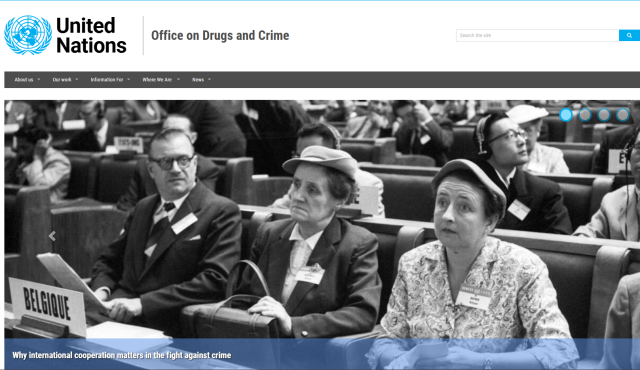
The United Nations Office on Drugs and Crime said cannabis and stimulant use increased globally in 2024, while treatment coverage for drug-use disorders remained low. Its latest estimate put treatment coverage at a minimum of 8.2 percent worldwide, with access particularly limited in Asia and Africa.
Research has increasingly examined how treatment and punishment perform once drug users enter the criminal justice system.
A 2023 systematic review by Vera Tomaz, Diana Moreira and Olga Souza Cruz, published in Frontiers in Psychiatry, examined 23 studies of adults who used drugs and were involved in criminal justice systems.
The review found treatment-based interventions were more consistently associated with reductions in drug use, criminal recidivism or both, while the authors raised concerns about relying heavily on incarceration.
They also cautioned that the available studies differed widely in their programs, methods and criminal justice settings, leaving gaps in how treatment outcomes are evaluated and monitored.
The policy changes now under way in Asia are themselves relatively new. South Korea's latest court-linked program is still being evaluated, Singapore's revised surrender regime has been in force only since May, and Japan's criminalization of cannabis use took effect less than two years ago.
The emerging test is not simply whether Asia punishes drug use more harshly, but whether its systems can prevent users from returning to drugs after punishment ends.
AJP Takeaways
- South Korea is shifting beyond punishment: Treatment and rehabilitation participation among drug-use offenders has risen to 42.7 percent, while a new court-linked program is being tested for measurable long-term effects.
- Japan is tightening cannabis enforcement: Cannabis use became punishable in December 2024, and arrests hit a record 7,120 in 2025, even as correctional authorities continue drug-dependence programs.
- Singapore is pairing strict laws with tailored supervision: Some first-time users who voluntarily surrender can now receive up to five years of community supervision and case management instead of immediate institutional rehabilitation.
Copyright ⓒ Aju Press All rights reserved.