
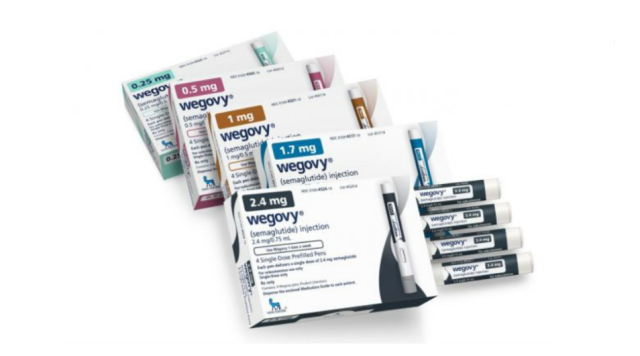
Lee Sun-young, a 34-year-old office worker, said her body mass index was within the normal range before she started taking Wegovy.
“Just once in my life, I want to be thin,” she told AJP.
Her experience raises a question as South Korea becomes a testbed for a new generation of obesity drugs: whether greater choice will help patients manage disease or deepen an obsession with thinness.
Korean hospitals are participating in that development race. Eli Lilly’s ENLIGHTEN-2 phase III trial is evaluating eloralintide in adults with overweight or obesity and type 2 diabetes. Five Korean hospitals, including Seoul National University Bundang Hospital and Severance Hospital, are among its international sites.
Globally, the options under development increasingly include pills. AstraZeneca announced in June that its oral GLP-1 candidate elecoglipron was advancing into phase III trials for obesity and type 2 diabetes.
The medical rationale for testing treatments in Korea is distinct from the demand for a slimmer figure.
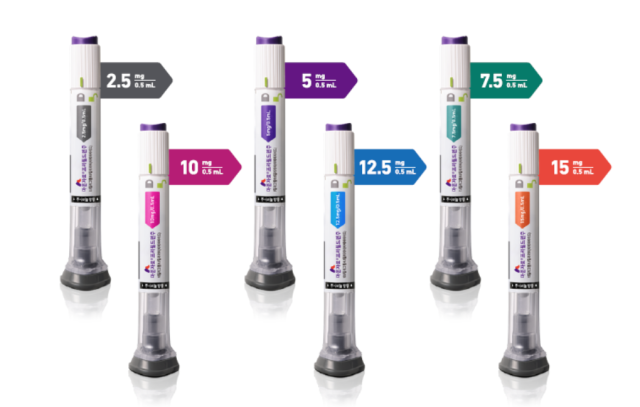
Heo Yang-im, public relations director at the Korean Society for the Study of Obesity, said Asian populations can develop metabolic disease at lower BMI levels. Korean and Japanese participation provides evidence that predominantly Western trials cannot fully supply, she told AJP in a telephone interview Thursday.
Korea also has an established research network, ranking sixth globally for industry-sponsored clinical trials in 2024, according to the Korea National Enterprise for Clinical Trials.
But clinical eligibility and personal dissatisfaction with weight do not always coincide.
When Wegovy first became available, Lee joined prospective buyers searching for clinics where they could obtain it. She eventually found one in Seoul’s Jongno district.
The place felt “like a factory,” she said. She had barely mentioned Wegovy at reception before being directed to wait for a doctor. She recalled receiving a prescription shortly after entering the consultation room and then heading to a pharmacy.
The convenience pleased her. It also left her wondering whether a medicine intended for patients with a medical need should have been so easy for her to obtain.
Lee reported no side effects and said she could get through the day comfortably on about one meal while taking the injection. Her medical records were unavailable to establish what assessment preceded her prescription.
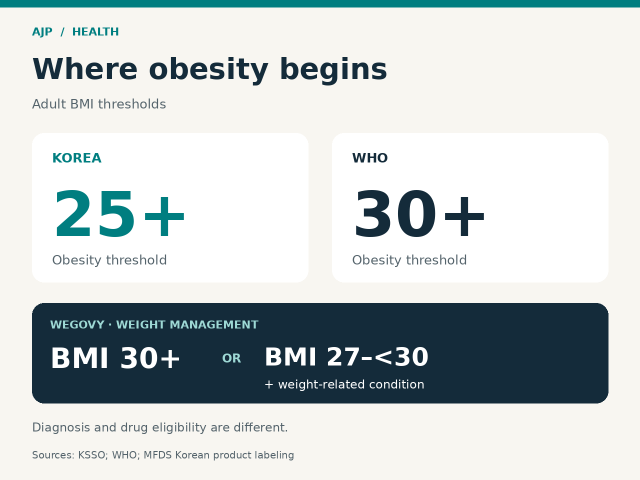
For adult weight management, Wegovy’s Korean labeling specifies an initial BMI of at least 30, or at least 27 with a weight-related condition such as hypertension or type 2 diabetes. Treatment accompanies dietary changes and physical activity.
Those criteria differ from Korea’s diagnostic threshold for obesity, a BMI of 25. Neither makes dissatisfaction with one’s appearance alone a medical indication.
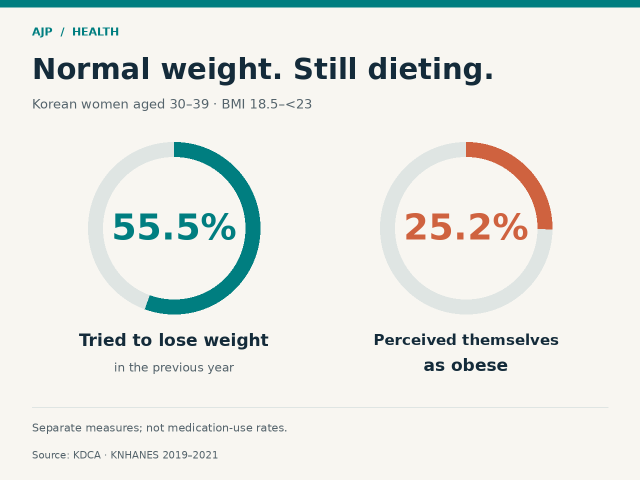
The gap between measured weight and perceived size was apparent before the injection boom.
A Korea Disease Control and Prevention Agency analysis of national survey data from 2019–2021 found that 55.5 percent of normal-weight women aged 30–39 had tried to lose weight in the preceding year. In the same group, 25.2 percent perceived themselves as obese.
The findings do not measure medication use. They show how the desire to lose weight can persist even within the normal range — the dissatisfaction that increasingly convenient treatments may risk reinforcing.
Other patients describe needs rooted in longstanding weight problems or illness.
Yoo Su-min, a 22-year-old university student from Seoul, said he had struggled with excess weight since childhood. He took Mounjaro for seven months and lost about 15 kilograms.
He noticed little change during the first two months. After his dose increased, eating became difficult.
“Before, I could finish a bowl of rice without any problem,” he said. “After the injection, I would have one or two spoonfuls and couldn’t eat any more. I felt nauseated and didn’t want food.”
Yoo has stopped treatment but recently began worrying that his weight was creeping back up. He is considering exercising more regularly and possibly returning to medication.
His concern has a clinical basis. In the SURMOUNT-4 trial, participants switched from tirzepatide, Mounjaro’s active ingredient, to placebo after 36 weeks gained an average 14 percent relative to their weight at the switch over the following year. Those who continued treatment lost a further 5.5 percent.
Continued treatment for a chronic condition is therefore different from using medication to maintain an unnecessarily low weight.
For Kim Ju-hyun, a 54-year-old office worker, the purpose is clear.
“I have diabetes. That’s why I started taking it,” she said of Mounjaro. “It wasn’t because of my weight.”
Kim said her blood sugar readings had fallen since starting treatment. She spends about 230,000 to 250,000 won a month and plans to continue.
Both Kim and Yoo would consider a suitable oral medicine. Yoo imagined taking a tablet alongside his daily vitamins.
“Even an injection once a week is more of a hassle than you might think,” he said.
Heo cautioned that pills would not necessarily replace injections.
“I don’t think everyone will necessarily switch to oral medicines just because they become available,” she said. Effectiveness, side effects, cost and individual preferences would shape their choices.

Copyright ⓒ Aju Press All rights reserved.
