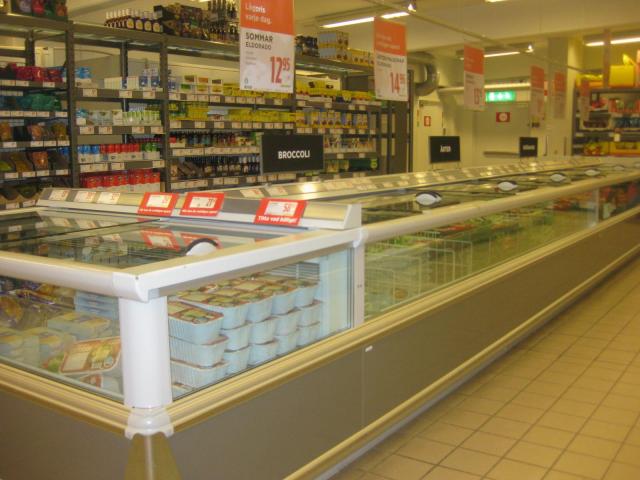
ZURICH, November 03 (AJP) -Hackers have turned supermarket refrigeration systems against the food they were built to protect, forcing stores across Europe to discard spoiled goods after temperatures were reportedly raised to as high as 50 degrees Celsius.
The attacks unfolded overnight into Monday, Nov. 2, about three weeks after a similar wave disrupted hundreds of French supermarkets. Retailers from Sweden to Portugal reported problems, exposing the vulnerability of internet-connected equipment that keeps the food supply cold.
Supermarkets in Belgium, Estonia, Ireland, Luxembourg and the Netherlands were among those affected. Refrigeration disruptions were also reported in Finland, where investigators were still determining the cause.
Carrefour said about 15 of its Belgian stores experienced problems. In Ireland, Musgrave reported a cyber incident affecting refrigeration systems at 13 SuperValu stores. Swedish chains ICA and Coop also reported disruptions, while an IKEA store in Mons, Belgium, confirmed an attack on its cooling equipment.
The equipment at the center of the attacks consists of controllers that regulate temperatures, defrost cycles and alarms. Connecting them to the internet allows technicians to monitor and maintain refrigeration remotely. It can also give intruders a route to alter settings with immediate physical consequences.
France’s cybersecurity response agency, CERT-FR, confirmed that the earlier compromises involved Danfoss AK-SM and AK-SC controllers, as well as Copeland and Dixell XWEB systems. It urged operators to remove exposed management interfaces from the public internet.
The latest incidents resemble the French attacks in their timing and method, according to cybersecurity research firm Censys. Overnight changes to refrigeration settings left staff less able to intervene before food spoiled. No group had claimed responsibility, and researchers had not established whether the same attackers were behind both waves.
Retailers were disconnecting equipment from the internet and updating systems after Monday’s disruptions. Danfoss urged customers to install security updates and keep refrigeration controllers off the public internet.
The exposure extends beyond the stores already hit.
In research published Oct. 22, Forescout identified 12,976 publicly accessible refrigeration-related online services across 6,017 distinct internet addresses in 99 countries and territories. Copeland and Dixell XWEB services accounted for 7,075 of those observations.
Those figures do not represent 13,000 separate refrigerators or confirmed breaches. One internet address can expose several services, while one management interface can control multiple pieces of equipment.
Forescout said similar systems support cold storage in agriculture and healthcare, widening the potential consequences beyond spoiled groceries. Its recommendations included securing remote maintenance, replacing unsupported equipment and monitoring unusual changes to temperatures and alarms.
The incidents illustrate how a cyberattack can move beyond stolen information to interrupt the machinery that keeps essential supplies usable.
Copyright ⓒ Aju Press All rights reserved.