SEOUL, November 17 (AJP) - South Korean researchers have identified traditional painting techniques used on historic wooden buildings after collecting approximately 2,700 paint samples from 45 heritage sites, the Korea Heritage Service said Tuesday.
The National Research Institute of Cultural Heritage examined wooden structures from 2017 to 2021 before conducting detailed microscopic analysis of samples from 14 buildings between 2022 and 2026.
The research revealed three principal techniques used in dancheong, the colorful decorative painting found on Korean temples and traditional wooden architecture.
Craftspeople applied individual pigments, layered colors over a base coat or mixed multiple pigments to produce different shades.
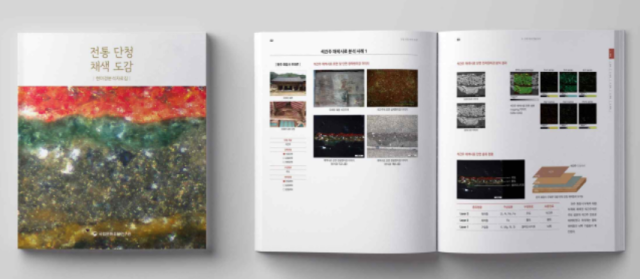
Researchers found that some yellow decorations were made by applying an organic yellow dye over a white lead-based undercoat, allowing the color to appear more vivid.
Other findings showed that artists combined red pigments in different proportions and mixed white materials with blue and green pigments to adjust their brightness.
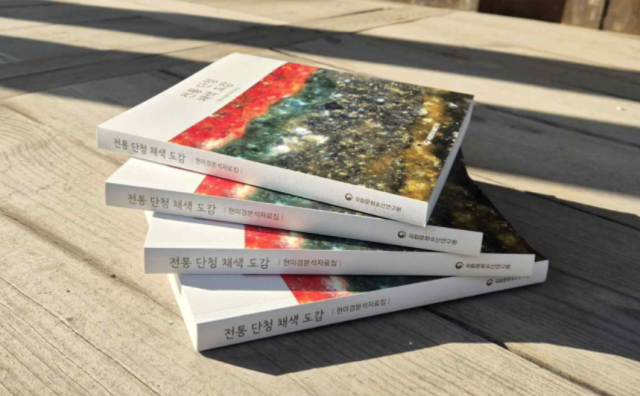
The institute published the findings in a reference book containing microscopic images and analyses of pigment composition and paint layers.
The publication is intended to help conservators and traditional painters understand historical materials and techniques when restoring wooden cultural heritage.

Joonha Yoo
Joonha Yoo is a bilingual journalist at AJU Press (AJP), covering music, culture, entertainment and Korea’s automotive industry.
Raised in Fort Collins, Colorado, he often writes from the scene, bringing firsthand detail to stories ranging
from BTS comeback concerts to unique cultural events that catch the world's eye.
Copyright ⓒ Aju Press All rights reserved.