

SEOUL, November 17 (AJP) - D-day is approaching, and there is more tension in the air this year for more than 500,000 students taking South Korea’s annual college entrance exam after the AI-cheat specter was let out of the closet.
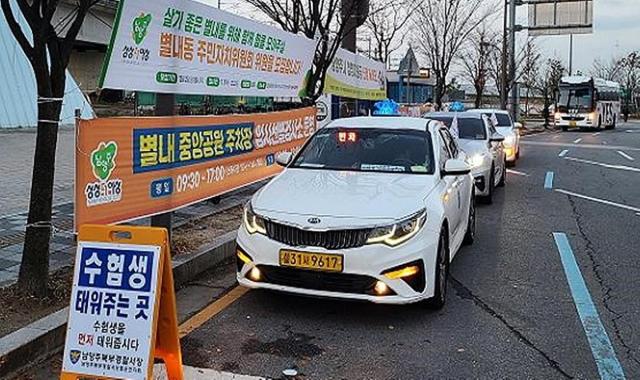
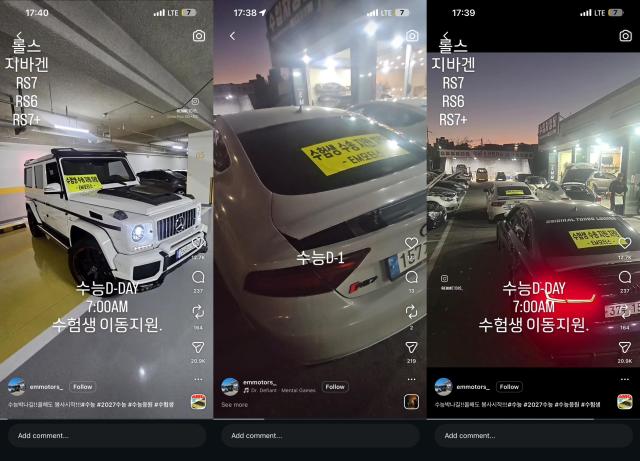
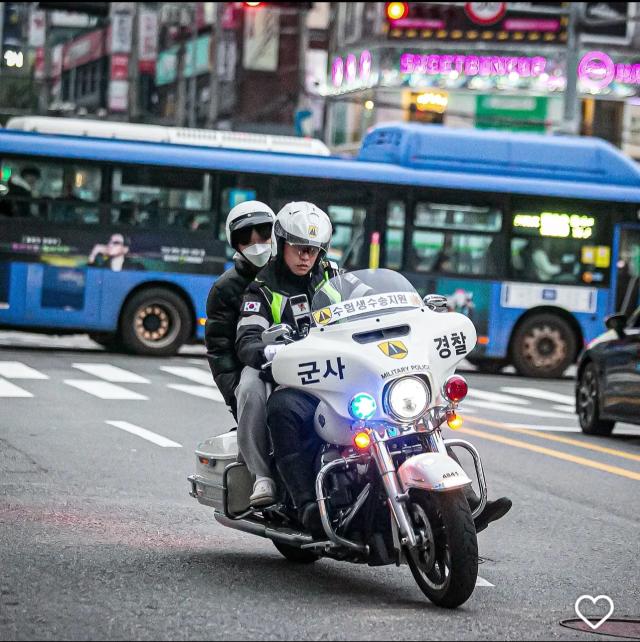
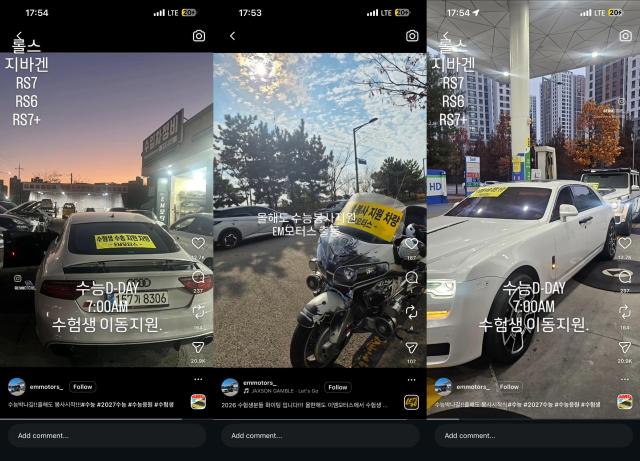
The road protocol, however, remains unchanged: emergency vehicles will stand ready to ferry latecomers to their examination halls, with more than 1,000 available for free in Seoul and nearby Seongnam alone.
China and Japan have their own examination-day transport services, from free taxi rides to privately hired chauffeurs. To Western visitors, the scale of the collective effort can be striking.
Layla Williams, a 32-year-old U.K. resident visiting South Korea who has also lived in the United States, said the public involvement surprised her.
“When I lived in the United States, I never heard of the government stepping in to make sure students got to their SAT exams on time,” Williams said. “What amazes me even more is that these services are free.”
Williams said the arrangements reflected the importance attached to university admission in South Korea, where she had been struck by the intensity of academic competition.
“If I were taking the exam, I think I would feel reassured knowing that people would help me if something unexpected happened,” she said.
Thursday’s College Scholastic Ability Test (CSAT) has drawn 551,864 applicants, according to the Korea Institute for Curriculum and Evaluation.
Seoul plans to deploy 614 emergency transport vehicles and run 27 additional subway services during the morning rush.
Seongnam in Gyeonggi Province will provide 400 taxis, split equally between privately operated and corporate fleets, free of charge from 6 a.m. to 8 a.m.
The arrangements extend to the skies. The Ministry of Land, Infrastructure and Transport announced Tuesday that aircraft takeoffs and landings would be restricted nationwide for 35 minutes during the English listening examination. The restrictions will require schedule changes for 130 flights, including 81 international services.
An emergency safety net
The large fleets on standby do not mean thousands of students depend on emergency rides.
Seoul’s planned fleet has declined from 676 vehicles in 2024 to 646 in 2025 and 614 this year. In the capital’s Dongjak District, 22 vehicles transported 25 students on last year’s examination morning, with 218 officials and volunteers supporting the operation.
Nationwide, police provided examination-related assistance in 234 cases last year, including 134 patrol-car transports, 36 escorts and 16 deliveries of forgotten admission documents.
The services function primarily as a safety net for unexpected disruptions.
Kim Shin-woo, a 35-year-old office worker living in Namyangju, Gyeonggi Province, recalled the pressure of his own college entrance examination.
“I was so nervous that I could barely sleep the night before,” Kim said. “Some students might oversleep, while others may leave home late for reasons beyond their control. They have studied just as hard as everyone else. It would be heartbreaking if they missed the exam.”
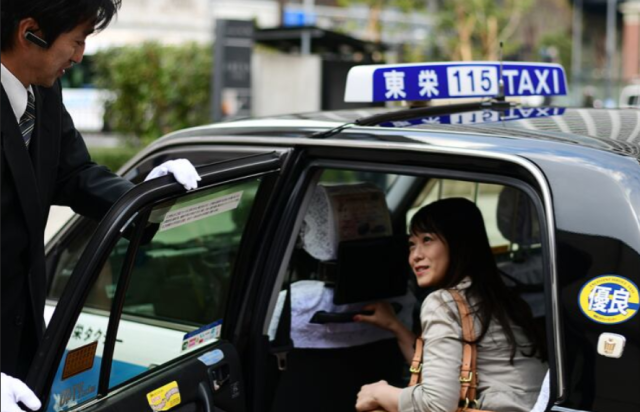
In Japan, reassurance comes at a price
Japanese families can also arrange examination-day transportation, although some services come with a substantial bill.
Nihon Kotsu Group Kansai offers a chauffeur-driven examination transport package for the 2026 admissions season, with sedan fares starting at 13,800 yen for up to two hours or 30 kilometers.
The package includes advance route planning and door-to-door transportation, with waiting time and return journeys available on request. Its starting price matches the company’s ordinary short-term chauffeur service, with no separate examination surcharge.
Transport is part of a broader financial and logistical burden surrounding university admission.
A 2026 survey by the National Federation of University Co-operative Associations, based on responses from 55,076 parents of incoming university students, found that examination-related transportation and accommodation expenses averaged 12,470 yen among families who incurred those costs and whose children would live at home.
For spending families whose children would live away from home, the average was 61,420 yen.
The figures cover travel, accommodation and accompanying family members’ expenses associated with examinations at the universities students ultimately entered. They do not isolate spending on chauffeur services.
The same survey found that 47.5 percent of parents worried about their children’s physical or mental condition during the admission process, while 46.0 percent cited managing examination and enrollment schedules. Another 37.7 percent were concerned about preparing the necessary funds.
The findings show how much families must manage before a student reaches the examination hall, though they do not establish how widely premium transport services are used.
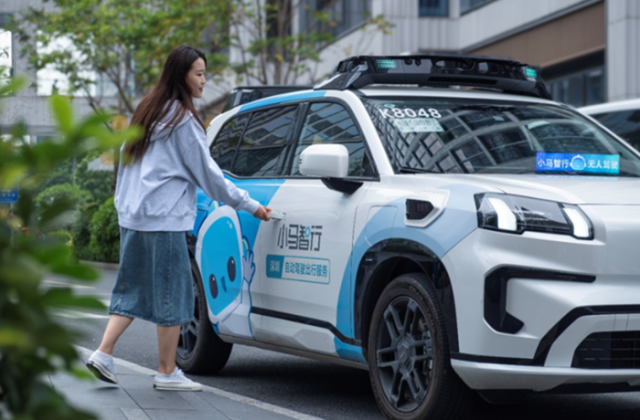
China’s free rides
China, which recorded 12.9 million registrations for its national college entrance examination, the gaokao, this year, also mobilizes private transport operators to provide free rides.
In the northwestern city of Xi’an, more than 15,000 conventional taxis and vehicles from 21 ride-hailing platforms participated in a free transport initiative during the June examinations.
Over the three-day examination period, the city’s taxi industry provided more than 1,100 free journeys and arranged dedicated one-to-one transportation for 51 candidates.
As in South Korea, the number of participating vehicles far exceeded the recorded journeys, reflecting the distinction between capacity on standby and actual use.
Shanghai also has a reservation-based service. In 2024, Qiangsheng Taxi reported 1,096 advance bookings by the start of the gaokao, with specially assigned drivers and emergency supplies.
The arrangements offer different ways of managing examination-day uncertainty. South Korea’s emergency vehicles and China’s free taxi programs help students cope with disruptions, while Japan’s chauffeur packages allow families to pay in advance for a carefully planned journey.
There is no evidence in the available figures that a private car improves examination performance. What the services offer is reassurance that the journey itself need not undo years of preparation.
For Kim, the significance of South Korea’s arrangements lies in the willingness of ordinary people to help students protect that opportunity.
“Parents probably see those students as their own children, while others remember what it was like when they took the exam,” he said.

Joonha Yoo
Joonha Yoo is a bilingual journalist at AJU Press (AJP), covering music, culture, entertainment and Korea’s automotive industry.
Raised in Fort Collins, Colorado, he often writes from the scene, bringing firsthand detail to stories ranging
from BTS comeback concerts to unique cultural events that catch the world's eye.
Copyright ⓒ Aju Press All rights reserved.
