
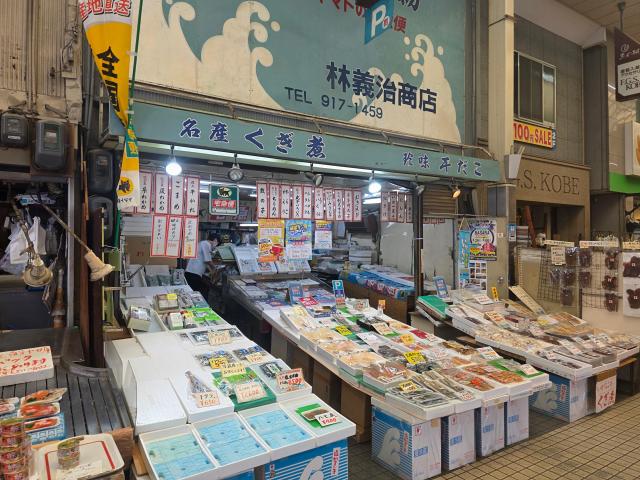
Upon entering the market, neatly packaged seafood caught the eye. A brief thought about whether Japanese consumers might prefer domestic products was quickly dispelled during an interview with a vendor, which highlighted the popularity of K-Food.
Toshimichi Ohigashi, the owner of the "Ori Shop" at the market, stated, "In recent years, Japan's abalone production has decreased, leading to an increase in imports of Korean abalone." The presence of Korean seafood, including abalone and flounder, was evident throughout the market.
When asked about Japanese consumers' reactions to Korean abalone, Ohigashi noted, "It tastes good and is popular. Compared to Japanese abalone, it is also more affordable, attracting many buyers."
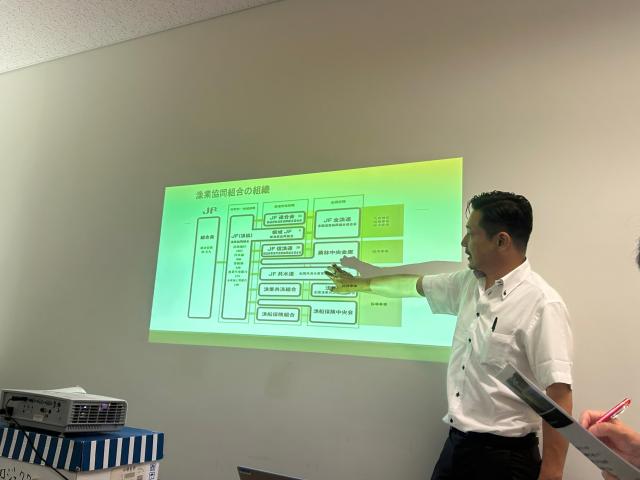
Factors contributing to the rise in imports of foreign seafood in Japan include environmental changes and a decline in domestic fishing. In Hyogo, the nearby sea has become excessively clean, resulting in a decrease in plankton, which is a food source for seafood. Consequently, the catch has diminished. Additionally, an aging population has led to a reduction in labor within the fishing industry and a decline in seafood consumption, further impacting the market.
These environmental changes have created an opportunity for Korean seafood to gain a stronger foothold in Japan. While cheaper Chinese seafood is often used as restaurant ingredients, Korean exports are utilized in higher-end dishes.
Nishimoto noted, "I understand that mackerel and anago (conger eel) are popular. The younger generation, particularly those in their 20s and 30s, seems to consume a lot of Korean seaweed due to their interest in Korean culture." Regarding competition with Chinese seafood, he remarked, "Upper-class consumers prefer quality products even if they are more expensive, so securing high quality is essential."
* This article has been translated by AI.
Copyright ⓒ Aju Press All rights reserved.