
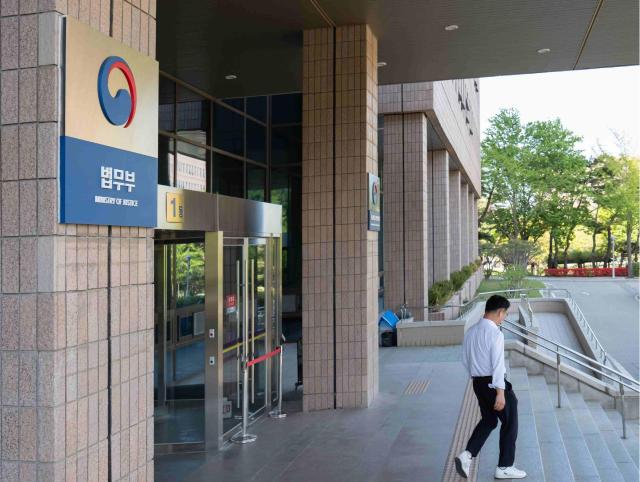
The restrictions on hiring skilled foreign workers in rural areas are set to ease, particularly in regions experiencing population decline and in traditional industries. On June 1, the Ministry of Justice announced that it will implement reforms to the Skilled Worker (E-7-4) visa system starting this month to address chronic labor shortages in various sectors and ensure foreign workers can remain and work in South Korea more securely.
Under the revised 'Employment Quota Exception,' the allowable employment of skilled workers (E-7-4) will increase from 30% to 50% of the workforce. Previously, this exception applied only to areas with declining populations and traditional industries, but the new reforms will extend this to agriculture, forestry, and fisheries.
Additionally, small agricultural businesses with four or fewer employees will be permitted to hire up to two foreign skilled workers (E-7-4), regardless of the employment ratio.
Previously, if a business changed due to closure, violence, or wage arrears, skilled workers (E-7-4) had to meet a new one-year tenure requirement to transfer or extend their visa. However, a new provision will allow the combined work periods from previous and current employers to count towards this tenure if the change was not due to the foreign worker's fault.
Skilled workers (E-7-4) are selected based on a scoring system that considers five criteria: annual income, Korean language proficiency, age, bonus points, and penalty points. The annual quota is determined by the Ministry of Justice after consulting with relevant ministries and local governments, with this year's quota set at 33,000 workers.
These employment visa reforms are also expected to benefit the regionally specialized skilled worker (E-7-4R) system, providing practical support to local economies and industries struggling with population decline.
The Ministry of Justice's Immigration and Foreign Policy Bureau plans to actively gather feedback from employers and foreign workers through surveys to support systematic skill development and rapid workforce acquisition in industries. They aim to announce measures to enhance the skilled worker (E-7-4) system in collaboration with the Ministry of Employment and Labor in the second half of this year.
Minister Jeong Seong-ho stated, "These reforms will create a foundation for a stable supply of skilled labor while ensuring the protection of foreign workers' rights, contributing to the revitalization of the local economy. We will continue to listen to the voices of the industry and foreign workers to promote rational immigration policies and improvements to the employment visa system."
* This article has been translated by AI.
Copyright ⓒ Aju Press All rights reserved.