
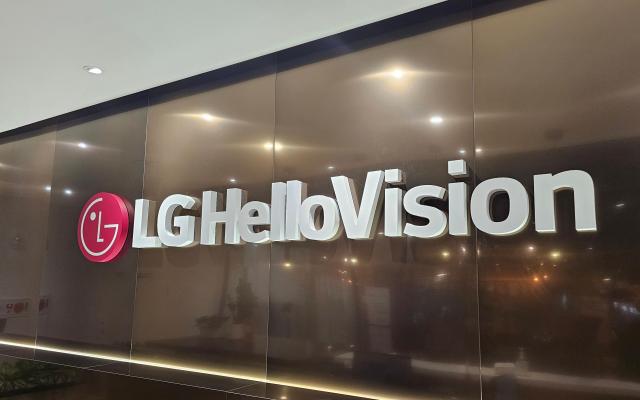
Starting July 1, subscribers of LG HelloVision, a cable TV provider, will no longer have access to SPOTV channels. This decision follows LG HelloVision's rejection of SPOTV's demand for an increase in programming fees, prompting SPOTV to cut off supply entirely.
Viewers are left bewildered, unable to watch baseball, soccer, or golf. LG HelloVision now faces the risk of subscriber loss, while SPOTV stands to lose significant revenue from a key platform.
The ongoing blackout situation is detrimental to both parties. Despite the clear losses, this decision stems from more than just a failed fee negotiation; it reflects a long-standing structural issue within the industry.
This conflict is not limited to just these two companies. Cable operators and content providers have consistently clashed over fee negotiations. Platform operators argue that, with the rise of over-the-top (OTT) services leading to a decline in cable subscriptions and a significant drop in basic channel revenue, the fees demanded by content providers are unsustainable. They highlight that cable TV operators are paying nearly 90% of their revenue to content providers, leaving them with little room to maneuver.
On the other hand, content providers contend that rising production costs make it difficult to sustain their businesses solely on the fees received from platforms. The advertising market has also cooled, and the compensation from cable and IPTV services is insufficient. Many are now forced to sell programs to platforms like Netflix or Disney to recoup production costs.
Finding common ground amid these conflicting interests has proven challenging. Both platforms and content providers have long called for the government to take a central role in mediating the dispute.
For years, they have requested that the government establish fair and objective pricing standards to prevent market chaos and encourage both sides to compromise. However, these requests have often been sidelined. Since the division of regulatory authority between the Korea Communications Commission and the Ministry of Science and ICT, the government has formed research teams and produced several drafts without reaching a consensus.
The final proposal has been repeatedly delayed, with the rationale being the inability to reconcile differences between operators. Additionally, the inter-departmental focus on 'market autonomy' has resulted in a prolonged policy vacuum rather than resolving conflicts. Ultimately, it is the viewers who suffer the consequences of these decisions. This situation raises concerns that similar disputes could lead to a series of broadcast interruptions between other content providers and platforms struggling with fee negotiations. All parties are apprehensive about this potential outcome, and the government must not remain passive.
According to the Korea Policy Briefing, the total number of subscribers to paid broadcasting services in South Korea is approximately 36.15 million. Although the number of subscribers has decreased, it still exceeds the number of households. Among them, cable TV accounts for 11.94 million subscribers, with LG HelloVision having around 3.39 million subscribers.
A brief period of inaction could adversely affect millions, potentially reaching tens of millions of citizens.
Last October, the Broadcasting Media Communications Commission was established to consolidate fragmented paid broadcasting policies and licensing authority, aiming to create a fair and efficient media environment. However, in its first six months, it became a tool for political strife and has only recently returned to normal operations.
There is much work to be done. Temporary fixes are no longer viable. A precise model for evaluating content value that reflects the changing revenue structures of platforms and the production cost realities of content providers must be developed urgently.
* This article has been translated by AI.
Copyright ⓒ Aju Press All rights reserved.