
Analysis indicates that the United States has incurred approximately $40 billion (about 61.5 trillion won) in direct military costs related to the Iran war. These expenses extend beyond defense spending, impacting the overall U.S. economy through rising oil prices, inflation, and interest rate pressures.
CNN reported on June 21, citing preliminary figures from the Center for Strategic and International Studies (CSIS), which are set to be released soon.
The $40 billion estimate includes costs for ammunition, destroyed equipment, and damage to U.S. military bases. It excludes existing operational costs already accounted for in the Department of Defense budget, suggesting that the actual financial burden may be even greater.
The largest expenditure category was ammunition. CSIS estimates that ammunition costs alone accounted for about two-thirds of the total, reaching $26 billion (approximately 40 trillion won). Mark Cancian, a senior advisor at CSIS, explained, “The extensive use of long-range, high-performance, and expensive weapons has led to a surge in ammunition costs.”
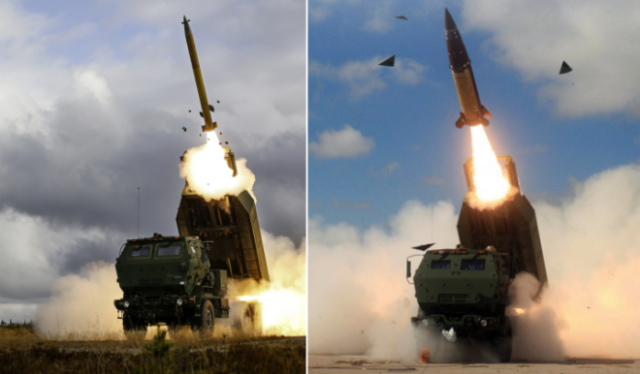
Tomahawk missiles are estimated to cost around $2.5 million (about 385 million won) each. The U.S. is believed to have used approximately 1,000 Tomahawk missiles during the conflict.
Concerns over weapon inventory have also increased. CSIS noted, “In the 39 days following the outbreak of the war, the U.S. used seven key types of ammunition extensively, with four of them likely depleting more than half of the pre-war stock.” It may take between one to four years to restore depleted missile inventories to pre-war levels.
Initial war costs were concentrated in the early stages. CSIS estimates that the first 100 hours of the conflict cost $3.7 billion (about 5.7 trillion won), while the cumulative cost by the 12th day of the war reached $16.5 billion (approximately 25.4 trillion won). Initially, high-cost long-range precision weapons were heavily utilized against Iran's air defense systems and key military facilities, but the frequency of attacks and use of expensive weapons decreased over time, leading to lower daily costs.
The Department of Defense is seeking additional funding. According to Reuters, Deputy Secretary of Defense Stephen A. Hadley recently informed lawmakers that $80 billion (about 123.1 trillion won) is needed to cover costs related to the Iran war and other expenditures. Previously, the Department of Defense had publicly stated that the costs associated with the Iran war were approximately $25 billion (about 38.5 trillion won).
The economic impact is also spreading. During the war, international oil prices surged, causing the average gasoline price in the U.S. to rise from below $3 per gallon to over $4 at one point. The Costs of War Project at Brown University estimates that American households have incurred an average additional burden of over $253 (about 389,000 won) due to rising energy prices compared to a scenario without the war.
The increase in energy prices has also been reflected in inflation metrics. According to the U.S. Bureau of Labor Statistics, the Consumer Price Index (CPI) for May rose 4.2% compared to the same month last year, marking the highest increase since April 2023. Energy prices surged by 23.5% year-over-year, with gasoline prices climbing 40.5%.
The rising inflation trend is also increasing pressure on the Federal Reserve's monetary policy. President Donald Trump has publicly called for interest rate cuts, but the Federal Reserve decided to maintain interest rates during its first meeting under new Chair Kevin Warsh last week. CNN analyzed that “the rise in energy prices and the acceleration of inflation due to the war have complicated the Fed's ability to lower interest rates.”
* This article has been translated by AI.
Copyright ⓒ Aju Press All rights reserved.