
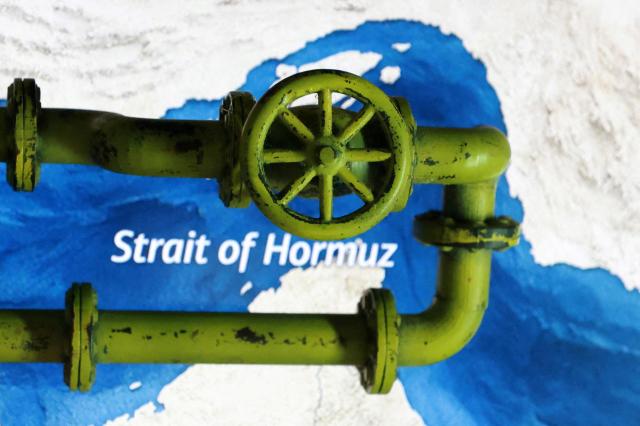
The United States has temporarily lifted sanctions on Iranian oil exports as part of a memorandum of understanding aimed at ending the war, allowing Iran to potentially increase its oil revenue by several trillion won.
According to Newsweek on June 23, Brett Erickson, head of the geopolitical risk consulting firm Obsidian Risk Advisors, estimates that during the 60-day sanctions waiver period, Iran could earn between $37.4 million and $51 million per day (approximately 57.6 billion to 78.5 billion won) from oil exports.
If Iran sells all of its available oil, total revenue could reach between $2.24 billion and $3.06 billion (approximately 3.45 trillion to 4.71 trillion won), he analyzed.
On June 22, the U.S. Treasury Department issued a temporary general license permitting the production, delivery, and sale of Iranian oil, petrochemicals, and petroleum products until August 21, 2026.
Previously, due to U.S. sanctions, Iran could only export oil to a limited number of countries, such as China, often at steep discounts and through complex circumvention transactions. Erickson noted that while this measure does not create entirely new revenue streams for Iran, it significantly enhances the profitability of existing oil exports.
"Politically, it may seem like Iran has hit the jackpot, but the reality is different," he said. "Iran was already selling oil but was paying a sort of 'sanctions tax' through the operation of so-called 'shadow fleets,' illegal money laundering, and intermediary costs."
Before the outbreak of the war, Brent crude was priced at about $66 per barrel (approximately 100,160 won), while Iranian oil was trading at a discount of about $10 per barrel (approximately 15,400 won) due to sanctions. With the sanctions waiver, Iran can now sell oil closer to international market prices.
Additionally, costs associated with using 'shadow fleets,' insurance risks, and money laundering through shell companies will decrease. Erickson estimated that these costs had reached about $7 per barrel (approximately 10,780 won), and combining the reduced price discount with cost savings could increase Iran's actual revenue by about $11 per barrel (approximately 16,900 won).
If Iran sells an average of 2.3 million barrels per day, which is about 70% of its available supply, it could earn approximately $1.5 billion (about 2.31 trillion won) more than it would under continued sanctions.
Currently, Iran's accessible oil supply is estimated at about 180 million barrels, a significant portion of which is stored in maritime and land facilities. Due to the war and U.S. blockade measures, Iran's production has decreased to about 2.3 million barrels per day, but as production gradually recovers, the amount available for sale during the 60-day waiver period could rise to about 215 million barrels.
However, experts are uncertain whether this sanctions waiver will lead to long-term economic benefits. Erickson warned, "Once the inventory is sold, production may not reach pre-war levels next month, leading to a sharp decline in revenue," predicting that even if the sanctions waiver lasts for a year, the additional annual profit could be limited to around $10 billion (approximately 15.4 trillion won).
Ben Cahill, a senior fellow at the Atlantic Council's Global Energy Center, emphasized that the key factor will be what happens after the 60 days. He stated, "There may not be significant changes in the next 60 days, but the crucial question is whether Iran can sell more oil to countries beyond China."
* This article has been translated by AI.
Copyright ⓒ Aju Press All rights reserved.