
Korea Lilly is set to significantly improve patient access to its obesity and diabetes treatment, Mounjaro (active ingredient terzepatide), by expanding the distribution of high-dose products starting next month.
According to industry sources on June 29, Korea Lilly will broaden the supply of Mounjaro's 12.5mg and 15mg high-dose products from primarily pharmacies near general hospitals to include clinics and local pharmacies nationwide beginning in July. This change is expected to increase opportunities for local clinics and pharmacies that have struggled to secure adequate supplies.
Previously, the distribution of high-dose Mounjaro was mainly concentrated in advanced general hospitals, leading to complaints from local clinics. Some wholesalers reportedly received instructions to prioritize supply to large hospitals, raising concerns about reduced patient access.
A representative from Korea Lilly clarified that the initial supply was based on 'priority allocation' rather than 'limitations.' They explained, "Patients requiring high-dose treatment for severe obesity or type 2 diabetes are primarily concentrated in general hospitals. Starting next month, we will gradually expand distribution to local pharmacies and clinics to facilitate prescriptions and dispensing."
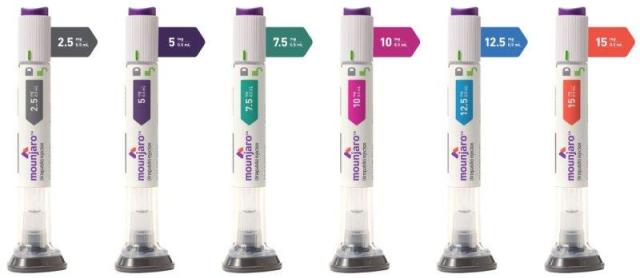
With Mounjaro now available in a full lineup of six dosages (2.5mg, 5mg, 7.5mg, 10mg, 12.5mg, and 15mg), healthcare providers will have the flexibility to adjust dosages based on patient needs, making it easier for patients to maintain treatment continuity.
A Korea Lilly official emphasized, "Mounjaro is not a weight loss supplement or health functional food; it is a prescription medication. All medications carry both therapeutic effects and potential side effects, but these can be managed through dosage adjustments in consultation with healthcare providers." They added, "Particular caution is necessary for patients not indicated for use, as this has not been clinically validated."
As interest in Mounjaro grows, there has been a surge in cases of individuals attempting to import obesity treatments purchased abroad. This is often due to lower costs; for example, purchasing a three-month supply in Japan can be about 500,000 won cheaper than in Korea. According to data submitted by Representative Jeong Il-young of the Democratic Party of Korea to the Korea Customs Service, the number of customs holds on obesity treatment medications from January to May this year reached 3,441, a 177% increase from 1,241 cases in the previous year.
In response, the government is expected to implement stricter regulations to limit overseas prescriptions and duplicate prescriptions. The Ministry of Food and Drug Safety is currently considering designating Mounjaro and Wegovy as 'medications with abuse potential' due to concerns about their indiscriminate use for purposes other than obesity treatment.
* This article has been translated by AI.
Copyright ⓒ Aju Press All rights reserved.