
Social media services (SNS) and online communities with an average daily user count of over 1 million will be required to establish operational policies to combat misinformation. Publishers generating significant revenue may face fines of up to 1 billion won and increased damages.
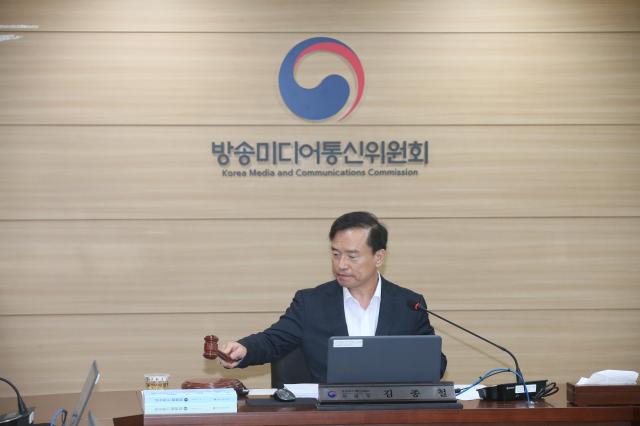
The Broadcasting and Media Communications Commission (BMCC) announced on June 29 that it approved a revision to the enforcement decree of the "Act on Promotion of Information and Communications Network Utilization and Information Protection" during its 20th plenary meeting. This amendment is a follow-up to legislation enacted in January and is set to take effect in early July.
The BMCC has defined the scope of large-scale information and communication service providers subject to self-regulation. This includes SNS, online communities, and video-sharing services that facilitate information exchange among users, specifically those with an average daily user count exceeding 1 million over the past three months.
The criteria for increased damages have also been clarified. Individuals who have posted revenue-generating content at least three times in the past three months, with either over 100,000 subscribers or an average monthly view count of over 100,000 for their posts, will be subject to these provisions.
The decree specifies the definition of public figures, which includes candidates and prospective candidates under the Public Official Election Act, heads of public institutions, public officials required to disclose assets, individuals subject to personnel hearings, party leaders, media representatives, and CEOs of publicly listed corporate groups and their major shareholders.
The procedures for reporting illegal and misleading information have also been detailed. Reporters must provide the location and content of the information, reasons for considering it illegal or misleading, supporting evidence, contact information, and their name.
Additionally, the fact-checking system has been refined. The BMCC has designated the principles of the International Fact-Checking Network (IFCN) as the standards that fact-checking organizations must adhere to. It also outlines the agreements between large platforms and fact-checking organizations, the methods for publicizing reports, and the responsibilities of the "Transparency Center" in overseeing platform compliance and supporting fact-checking activities.
The criteria for imposing fines have been established. Businesses that distribute information confirmed by a court as illegal or misleading more than twice and post three or more revenue-generating items in the last three months may face fines of up to 1 billion won, depending on the severity of the violation.
Kim Jong-cheol, Chairman of the BMCC, stated, "These follow-up measures are aimed at faithfully implementing the legislative intent to prevent the distribution of illegal and misleading information and to provide relief for victims. We will ensure that the system is effectively established while also safeguarding freedom of expression online."
The BMCC had reported related matters during a plenary meeting on May 8. Following a discussion session on May 21, it gathered expert opinions regarding the amendment of the enforcement decree to address illegal and misleading information.
* This article has been translated by AI.
Copyright ⓒ Aju Press All rights reserved.