
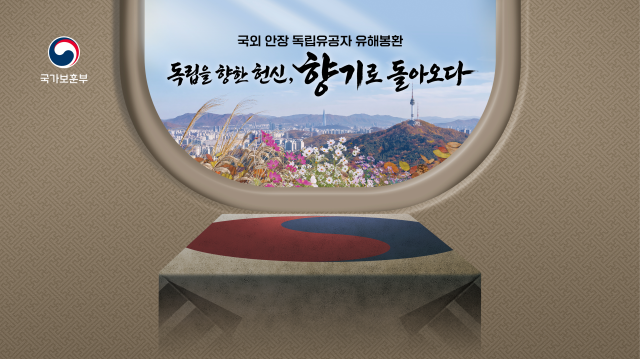
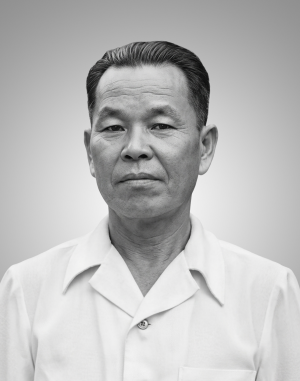
The remains of Ho Si-han (1885–1956) and Lee Gwal (1898–1963), who fought against Japanese colonial rule, will arrive at Incheon International Airport on Sunday, along with those of their spouses.
Veterans Affairs Minister Kwon Oh-eul will personally receive the remains at the airport at 11:30 a.m., ahead of a repatriation ceremony scheduled for Monday at the March 1 Independence Declaration Monument in Seoul's Seodaemun District.
The four will be laid to rest at Daejeon National Cemetery later that afternoon.
The repatriation comes as South Korea marks the 80th anniversary of efforts to bring home independence activists who died and were buried overseas.
The initiative dates back to 1946, when independence leader Kim Gu arranged for the remains of three prominent anti-Japanese activists — Yun Bong-gil, Lee Bong-chang and Baek Jeong-gi — to be returned from Japan and buried at Hyochang Park in Seoul.
Since then, the government has repatriated the remains of 156 independence activists from 14 countries, including China, the United States, Kazakhstan and Germany.
The return of Ho and Lee will bring the total to 158 activists from 15 countries.
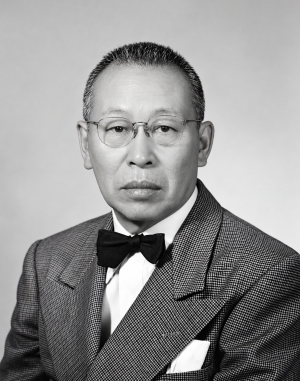
Lee, born in North Hamgyong Province in 1898, participated in Korean independence activities in the Russian Far East before being arrested in 1921 and detained for eight months. He later worked as a newspaper editor but was forcibly relocated to Uzbekistan during the Soviet Union's mass deportation of ethnic Koreans in 1937. He died there in 1963 and was posthumously honored in 2009.
Monday's ceremony is expected to draw about 300 participants, including descendants of independence activists, government officials and members of the Liberation Association.
"As we mark 80 years since Kim Gu brought home the remains of the three independence heroes, we will extend the highest honors to these two patriots and their spouses so they may finally rest in their longed-for homeland," Kwon said.
He pledged to continue efforts to bring home independence activists still buried abroad.
The ministry estimates that the graves of approximately 240 Korean independence activists remain in 10 countries, including China, the United States and Kazakhstan.
It said repatriation efforts would continue in consultation with surviving family members.

Copyright ⓒ Aju Press All rights reserved.
