

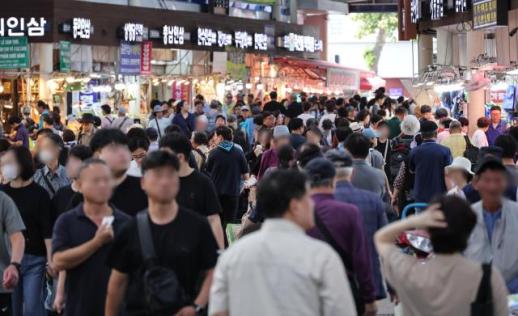
 Korea's Oct consumer sentiment and outlook sag
South Korean consumer sentiment weakened and outlook sagged in October on stagnated stock market and and continued geopolitical unrest despite still-robust exports. The Composite Consumer Sentiment Index (CCSI) fell 1.2 points from September to 105.4, the Bank of Korea (BOK) said Tuesday. The reading remained above 100, indicating that consumers were still more optimistic than the long-term average. Expectations for economic conditions six
 BOK names new deputy governor, reshuffles key posts
Bank of Korea (BOK) Governor Shin Hyun-song appointed Monetary Policy Department chief Choi Chang-ho as deputy governor for monetary policy and markets Monday, triggering a reshuffle of three senior department heads. Choi's three-year term runs from Oct. 27, 2026, through Oct. 26, 2029. Choi, 54, joined the BOK in 1998 and has spent much of his career in policy departments including the Research Department and Financial Markets Department.
 Korea is not yet Europe. But deepening labor mismatch signals gloomy prospects
Young South Koreans are struggling to enter stable employment even as factories and construction sites turn increasingly to foreign workers, exposing a widening gap between the jobs young people seek and the workers employers need. Central bank and government data point to two pressures developing side by side: a narrowing route into regular employment for young Koreans and persistent labor shortages in parts of the economy. A Bank of Korea study
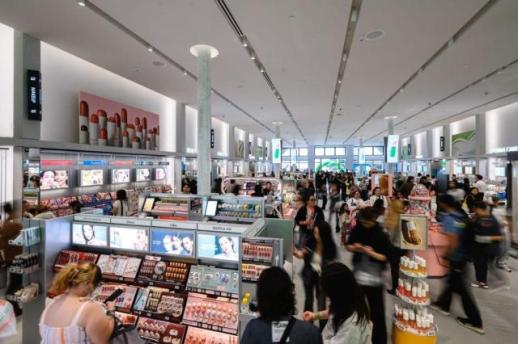 Korea's SME exports hit record Q3 on beauty, chips
South Korean small and midsized companies posted record third-quarter exports as booming cosmetics and semiconductor shipments outweighed a sharp drop in automobile exports, government data showed Monday. Exports by small and medium-sized enterprises rose 8.8 percent from a year earlier to $33.4 billion in the July-September period, according to the Ministry of SMEs and Startups (MSS). The total was the highest for a third quarter, while exports
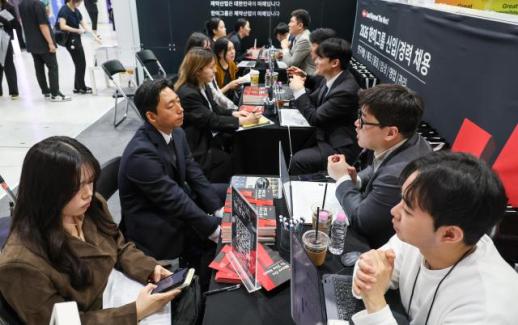 Youth entry into permanent jobs shrinks 15-20%
Young Koreans are finding it increasingly difficult to secure permanent jobs, with their entry rate relative to prime-age workers falling about 15 to 20 percent from past levels, a study by Bank of Korea (BOK) researchers showed Monday. The findings were published in an issue note on weak youth employment by Hwang Soo-bin, Jeong Kang-hee and Chung Sung-yup of the BOK's Research Department. The researchers found that stagnant labor demand has
 Korea weighs fourth delay to virtual asset tax
South Korea is leaning toward a fourth delay to taxation on virtual asset gains, as enforcement gaps and political sensitivity over young and retail investors complicate a levy due next year. The presidential office is reviewing another postponement ahead of discussions with the ruling Democratic Party (DP), with the tax currently scheduled to take effect on Jan. 1, 2027. Under existing law, annual income from the transfer or lending of virtual a
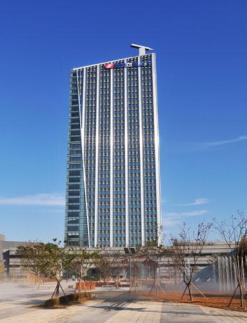 KEPCO bond cap revives Korea's electricity rate dilemma
South Korea's long-running electricity rate debate is resurfacing as state utility Korea Electric Power Corp. (KEPCO) faces a looming borrowing limit that could constrain investment in the country's rapidly expanding power grid. KEPCO could exceed its statutory bond issuance ceiling by about 19.2 trillion won ($14.5 billion) once a temporary exemption expires at the end of 2027, according to estimates based on the utility's medium-term f
 AI halo may warm South Korean economy longer than expected
The extraordinary AI windfall may be strong enough to lift South Korea’s long-term growth potential, suggesting the AI halo over Asia’s fourth-largest economy could be broader and longer-lasting than previously expected. Bank of Korea Governor Shin Hyun-song on Friday suggested the economy could be at an inflection point as the central bank prepares to reassess its underlying growth capacity. “I think this is a very important tu
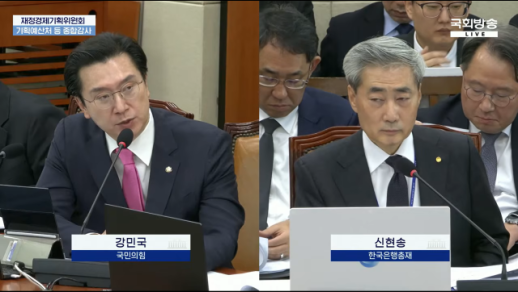 AI boom may lift Korea's growth potential, BOK chief says
South Korea may have to revisit its growth potential to better reflect the economy's newfound traction from AI boom, said Bank of Korea Governor Shin Hyun-song said Friday. “I think this is a very important turning point” Shin said of the country's growth potential during a parliamentary audit. South Korea’s potential growth rate — the pace at which the economy can expand without generating excessive inflation — h
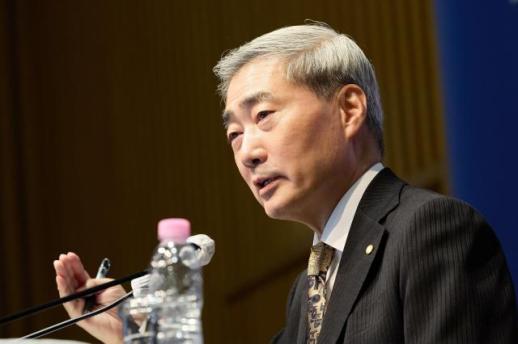 BOK chief's inflation outlook hints rates unlikely to come down before '28
Bank of Korea Governor Shin Hyun-song on Thursday credited the board’s two successive summer rate hikes with helping cool inflation and steady currency and debt markets while signaling that rates won't likely come down before 2028. Speaking after the monetary policy board unanimously held the base rate at 3.00 percent, Shin described the pause as the payoff from acting early. The BOK raised rates by a quarter percentage point in both July and