
After surveying about 18 entertainment agencies and six fandom platform operators, the commission found a range of unfair clauses and binding terms, prompting it to request revisions, which the companies agreed to make voluntarily.
Such memberships usually offer benefits like early access to tickets for concerts and fan-meet events, as well as exclusive merchandise purchases, and members-only content.
According to the KFTC, these memberships are typically priced at around 50,000 won (about $34) and are often sold through global platforms dedicated to K-pop stars.
The most commonly cited issue was restrictions on refunds.
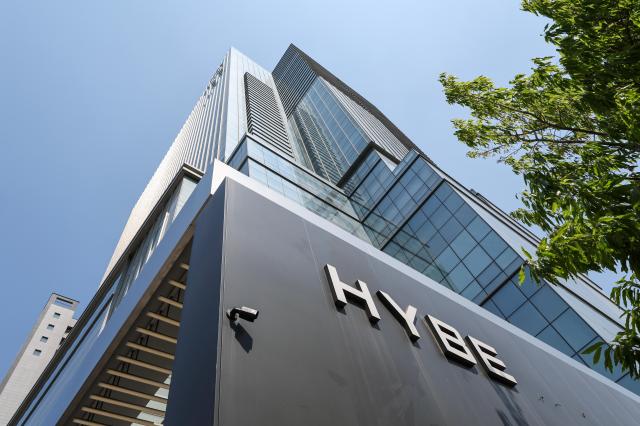
For example, Big Hit Music, a label under South Korean entertainment behemoth HYBE, and Starship Entertainment were among those that restricted refunds after seven days or once any membership benefit had been used. The KFTC said such terms were unfair, pointing out that fan club benefits depend heavily on an artist's activity and may vary depending on when a member joins.
Under the revised terms, fans who sign up will be eligible for a full refund within seven days if they have not used any benefits. If more than seven days have passed, or if benefits have been used, agencies must refund the remaining amount after deducting a cancellation fee, usually 10 percent of the membership fee and the value of any benefits already used.
The KFTC also found clauses that broadly exempted companies from responsibility, allowed services to be changed or suspended for vague "business reasons," or permitted user contracts to be terminated without clear grounds or prior notice.
The KFTC also took issue with clauses that broadly exempted agencies from responsibility, allowing them to suspend or terminate services or membership benefits for vague “business reasons” without clear justification or prior notice.
SM Entertainment, for instance, had a clause stating that canceling a renewed membership would not restore any remaining period from the previous membership.
Other issues included clauses that allowed agencies to broadly delete user posts, automatically treat members as agreeing to revised terms, and set vague rules for handling sensitive personal data.
"With the surging global popularity of K-pop, we proactively conducted the survey to identify unfair practices in relevant industries," said Kwak Go-eun, an official at the KFTC. "This will help protect consumer rights by ensuring that K-pop fans can use these services in a fairer and more transparent way as K-pop-related businesses continue to grow."

Copyright ⓒ Aju Press All rights reserved.
