
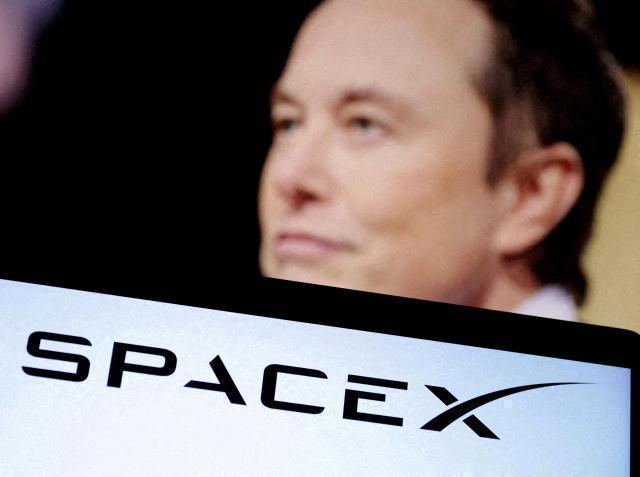
Reuters reported on June 15 that the underwriters for SpaceX's listing exercised an option for additional shares, raising the total IPO proceeds from the previous $75 billion (about 113 trillion won) to $85.7 billion.
Earlier, SpaceX set the offering price at $135 per share (about 200,000 won) and sold 555.56 million common shares to raise $75 billion. Subsequently, underwriters purchased an additional 83.3 million shares at the same price, increasing the total number of shares issued to approximately 638.9 million.
The additional share allocation option allows underwriters to buy more shares to mitigate stock price volatility after the listing. This option is typically exercised when there is strong investor demand and the stock price exceeds the offering price.
This IPO has already surpassed the previous record set by Saudi Arabia's state-owned oil company, Aramco, even before the additional allocation. With the new shares included, SpaceX's IPO size is now about three times larger than Aramco's record.
The stock price has shown strong performance since the listing. On its first day of trading on June 12, SpaceX's stock rose approximately 19% above the offering price, and it continued to climb in early trading on June 15.
Elon Musk, CEO of SpaceX, stated on X (formerly Twitter) that the company could achieve $1 trillion in revenue by 2030. However, SpaceX's projected revenue for 2025 is $18.67 billion (about 28 trillion won), indicating a significant gap from Musk's target.
Market analysts believe expectations of inclusion in major indices are also contributing to the stock price increase. SpaceX is expected to be added to the Nasdaq 100 and some MSCI and Russell indices later this month, which is anticipated to attract investment from funds that track these indices.
* This article has been translated by AI.
Copyright ⓒ Aju Press All rights reserved.