

 BOK in dilemma as rate hikes ease imbalances, raise default risks
Back-to-back rate hikes are expected to accelerate deleveraging and ease financial imbalances but risk pushing delinquency rates higher, a Bank of Korea financial stability report said Tuesday, underscoring the central bank’s dilemma with two rate-setting meetings left this year. Monetary Policy Board member Jang Yong-sung said further rate increases would be calibrated against inflation, economic conditions and financial stability. The BOK ra
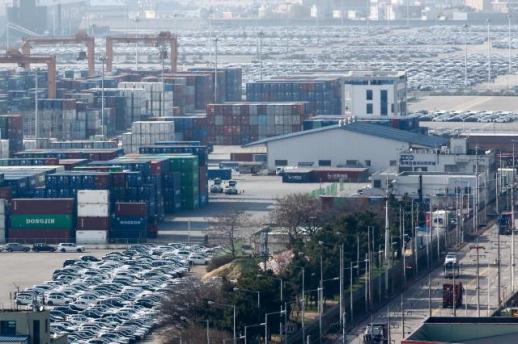 South Korea's exports jump in 1st 20 days of September as chip boom continues
South Korea's exports surged 78.3 percent from a year earlier to a record US$71.4 billion in the first 20 days of September, according to preliminary data released by Korea Customs Service on Monday. Imports climbed 26.7 percent from the same period last year to $48.4 billion, leaving a trade surplus of nearly $23.0 billion. Average daily exports rose 89.8 percent from a year earlier to $4.61 billion despite 15.5 working days during the perio
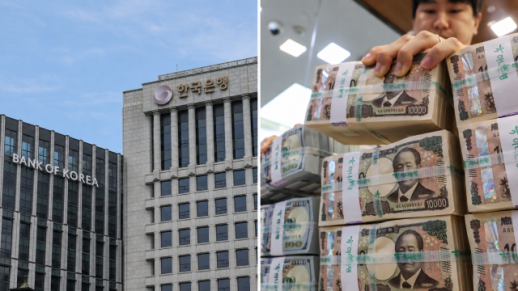 BOJ rate increase fails to aid FX but sets a common path for BOK
The renewed tightening in Tokyo that places the base rate at its 31-year high came short in weakening the greenback's value against Asian currencies but set a common rate path for the Korean central bank. The Bank of Japan (BOJ) raised its policy rate by 25 basis points to 1.25 percent Friday, its highest in 31 years, in a 7-2 vote. The yen weakened to around 157 per dollar after the widely expected move as investors focused on the two dissenting vo
 South Korea sees growing use of electronic prepaid payments
South Korea's use of prepaid electronic payment services jumped 21.9 percent in the first half of this year, driven by growing use of simple payments and money transfers, according to data by the Bank of Korea (BOK) released on Friday. The daily average value of such services rose to 1.55 trillion won (US$1.12 billion), up from 1.27 trillion won a year earlier, the central bank said. Daily transaction volume also increased 14.5 percent to 39.22 millio
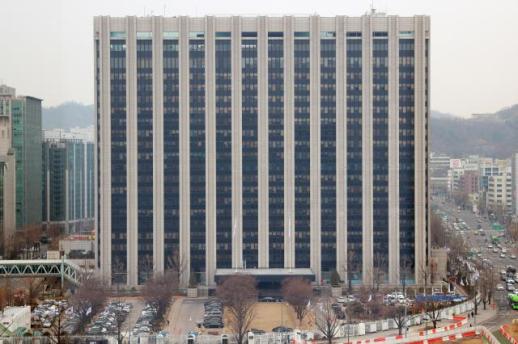 Public-sector deficit widens to record 83.1 tln won
South Korea's public-sector revenue rose in 2025, but spending grew even faster, widening the deficit to a record 83.1 trillion won ($60.1 billion), according to data released by the Bank of Korea (BOK) on Friday. The shortfall rose by 14.0 trillion won from a revised 69.1 trillion won in 2024, marking the largest deficit since public sector-related statistics began in 2007. The central bank revised the 2024 deficit from a previously reported 48.9
 Korea extends fuel tax cuts, lowers Chuseok highway pump prices
South Korea will extend temporary fuel tax cuts through November and lower pump prices at 226 highway gas stations during Chuseok as authorities grapple with a renewed spike in energy costs from the widening Gulf crisis, the government said Friday. The current tax reductions of 15 percent for gasoline and 25 percent each for diesel and liquefied petroleum gas butane will remain in place through Nov. 30, two months beyond their scheduled expiry, ac
 Korea's producer inflation reaccelerates toward 8% annual gain
South Korea's producer prices spiked toward an on-year increase of 8 percent on re-accelerating energy costs and unrelenting chip prices, pointing to sticky price pressure and a tightening bias in the latter half, central bank data showed Friday. The producer price index for August added 0.2 percent from July and 7.9 percent from a year earlier, reversing an easing trend in July, when it fell 0.4 per
 Korea's first-half knowledge-services deficit tops $6bn amid AI use
South Korea's knowledge-services trade deficit widened to $6.44 billion in the first half, the largest since the second half of 2010, as payments for overseas software and copyrights surged amid wider AI deployment, central bank data showed Thursday. The shortfall widened by $1 billion from the previous six months and was the second-largest half-year deficit in data going back to 2010, behind only the $7 billion deficit recorded in the second half o
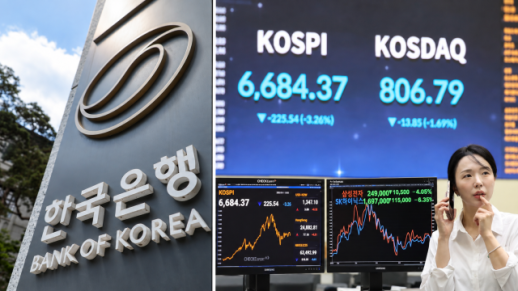 BOK to expand beyond U.S. bonds for "active" FX management
The Bank of Korea (BOK) will turn more active and return-oriented in managing part of its foreign exchange reserves by increasing allocations to overseas bonds and expanding beyond U.S. Treasuries. The change would apply only to assets managed by domestic firms and would not alter the BOK's overall mix of stocks and bonds in its foreign reserves, the central bank said Wednesday. The shift comes as U.S. Treasury yields hover near two-decade highs
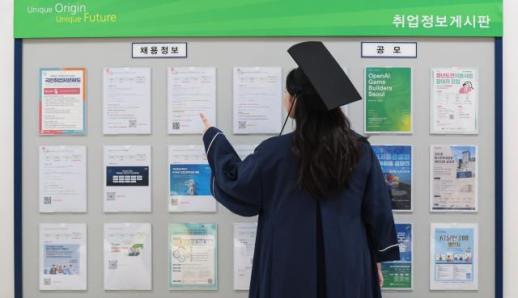 AI may worsen capital concentration if left unchecked, BOK study
Eight out of 10 new jobs created through the rise of artificial intelligence were in South Korea’s capital region, suggesting the AI-driven economy could worsen capital overconcentration, a Bank of Korea study found Tuesday. Occupations highly exposed to generative AI added 247,000 jobs over the period, with the Seoul metropolitan area accounting for 80.8 percent of the increase, according to a study published on the latest Bank of Korea (BOK) Is