
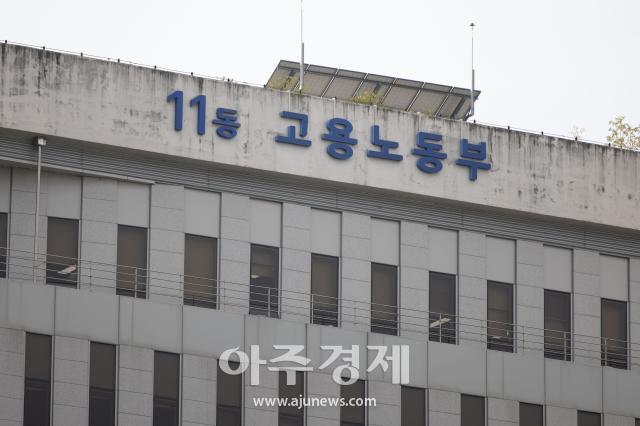
The South Korean labor authorities are examining how the shift to artificial intelligence (AI) is affecting the job market differently based on gender. Concerns are growing that algorithmic bias in AI recruitment and personnel management could exacerbate existing gender disparities. In response, the Ministry of Employment and Labor has decided to revamp the Gender Equality Committee to focus on identifying policy initiatives based on field research.
On July 3, Vice Minister Kwon Chang-jun chaired the second Gender Equality Committee meeting of 2026, where members discussed and approved plans to enhance the committee's role in policy development. The committee has previously reported on and made recommendations regarding the Ministry's policies and systems related to gender equality.
However, as industrial structures and work methods evolve rapidly, concerns have been raised about the varying impacts of these changes on different genders. The Ministry recognized the need for a system that can promptly capture changes in the field to supplement existing policies, leading to the enhancement of the committee's functions.
Under the new plan, the Gender Equality Committee will establish subcommittees focused on specific topics. Each subcommittee will identify areas needing improvement from a gender perspective through field discussions, expert presentations, and feedback from relevant departments. The committee will then make policy recommendations to the Ministry based on these findings, transforming it from a simple advisory body into a proactive policy initiative platform.
The committee will also focus on discussing labor market changes resulting from the AI transition. Key topics will include fluctuations in job demand, the reproduction of gender stereotypes, and changes in recruitment and personnel management practices. Additionally, the committee plans to examine safety and health management systems in industries with a high concentration of female workers, such as emotional labor and caregiving.
While AI recruitment and personnel management may appear neutral, if past hiring and evaluation data reflect gender disparities, the outcomes can also be discriminatory. The more difficult it is to explain why an algorithm disqualified a particular applicant or assigned them to a specific role, the more complex it becomes to prove and rectify discrimination in the labor market.
During the meeting, Dr. Jang Ji-yeon from the Korea Labor Institute presented on the topic, "Whose Jobs Does AI Change?" She noted that internationally, women are more exposed to certain job types while men have higher rates of AI usage, which is widening the gender wage gap. In South Korea, the impact of AI on employment varies more by age than by gender, but there are signs of employment difficulties in traditionally female-dominated office jobs, indicating a need for alternative pathways into the workforce.
Professor Kwon Oh-sung from Yonsei University discussed the challenges of labor law in the context of AI transition. He emphasized that the primary issue in AI recruitment is not the explicit discriminatory intent of users but rather how the structure of training data and variable selection reproduces existing gender inequalities. He called for bias audits and the institutionalization of information disclosure to address the potential for discrimination in hiring.
The Ministry will also revisit safety and health management in the industrial safety sector from a gender perspective. Plans are in place to discuss the management systems and responses in sectors with a high number of female workers, such as emotional labor and caregiving. This marks a shift from a focus on preventing serious accidents in manufacturing and construction to addressing safety and health issues in service industries, where problems like verbal abuse, mental health risks, and musculoskeletal disorders can accumulate, necessitating a gender-sensitive approach.
Vice Minister Kwon Chang-jun stated, "Recognizing that the impact of policies and systems can vary by gender, depending on factors like company size and employment type, is crucial for identifying blind spots and enhancing policy effectiveness. We will continue to gather diverse opinions from field experts, including company practitioners and labor consultants, through subcommittees to develop effective policy improvements that create a labor market free from discrimination for everyone."
* This article has been translated by AI.
Copyright ⓒ Aju Press All rights reserved.